
You’re rushing out the door on a crisp autumn morning. It’s too warm for a heavy wool coat, but too chilly for just a sweater. You need something that bridges the gap—something that looks polished enough for a coffee meeting yet practical enough for an afternoon walk in the park. Enter the clothing quilted jacket.
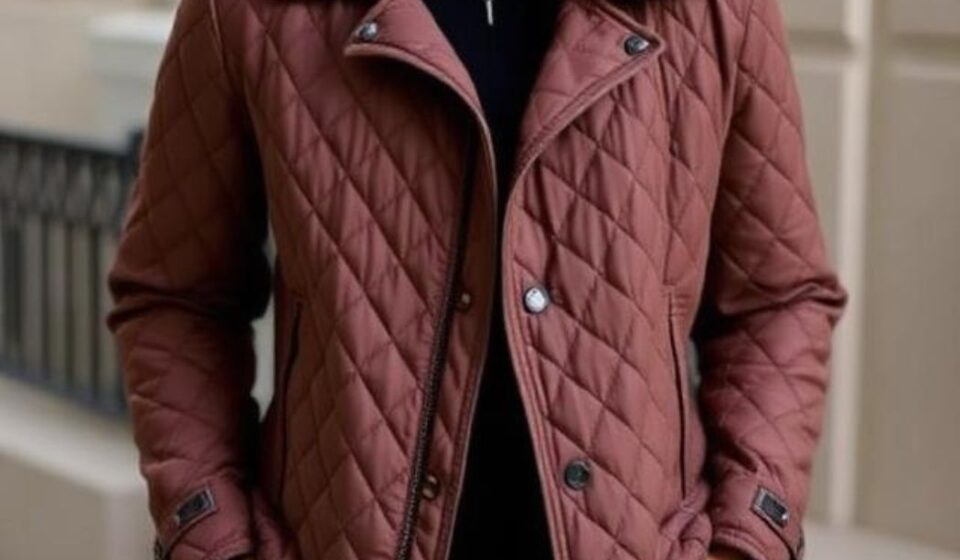
Once considered purely functional outerwear for countryside pursuits, the quilted jacket has undergone a remarkable transformation. Today, it’s the unsung hero of modern wardrobes, beloved by Scandi style icons, street-style stars, and practical dressers alike. Its genius lies in its construction—those distinctive diamond or channel stitches create tiny air pockets that trap body heat, providing warmth without the bulk of a traditional puffer coat.
What makes the quilted jacket truly special is its chameleon-like ability to adapt. It can be the centerpiece of a whimsical, print-heavy ensemble or serve as a subtle layering piece under a more substantial coat. Whether you’re navigating a city commute, heading to the countryside, or simply trying to look put-together during unpredictable weather, a well-chosen clothing quilted jacket is one of the most hardworking pieces you’ll ever own.
Understanding the Quilted Jacket Phenomenon
What Makes a Quilted Jacket Unique?
At its most basic level, a quilted jacket consists of two or more layers of fabric stitched together with insulating material sandwiched between them. This quilting process creates the characteristic diamond or channel patterns that not only look appealing but serve a crucial purpose: they keep the insulation evenly distributed, preventing it from shifting or creating cold spots.
Unlike its cousin the puffer jacket, which tends toward the bulky and casual, a clothing quilted jacket offers a more structured, refined silhouette. Puffer jackets are characterized by their “puffy” appearance and are typically filled with down or synthetic fibers for maximum warmth. Quilted jackets, while sometimes just as warm, often feature lighter fills and closer quilting, resulting in a more streamlined look that transitions seamlessly from countryside to city.
A Rich Heritage: From Ancient Craft to Fashion Staple
The history of quilted garments is surprisingly ancient. Modern quilted designs can trace their lineage back approximately 500 years to a traditional Indian quilting technique called kantha. In this practice, low-income women would create garments from discarded fabrics, layering and stitching them together to form warm, durable clothing. This resourceful technique eventually spread across the globe, evolving into the stylish staple we know today.
The quilted jacket gained particular prominence in British culture, where it became synonymous with country life and outdoor pursuits. Brands like Barbour elevated the functional garment to a status symbol, one that signified a certain rugged elegance. Fast forward to today, and the clothing quilted jacket has been fully embraced by the fashion world, particularly in Scandinavian countries where practical style is paramount. Copenhagen Fashion Week attendees have been spotted sporting vibrantly printed, cropped quilted jackets that are anything but traditional.
How to Choose the Perfect Quilted Jacket for Your Body Shape
One of the most overlooked aspects of buying a clothing quilted jacket is finding the right fit for your specific body type. Because of its structured, padded nature, getting the fit right is essential for a flattering look.
Pear Shape
For those with a pear shape (wider hips, narrower shoulders), the goal is to balance proportions. Look for quilted jackets that hit at the hip bone or just below. An oversized or slightly A-line silhouette is your friend, as it will skim over your hips rather than clinging to them. Cropped styles also work beautifully, particularly when paired with high-waisted trousers to draw the eye upward and create a more balanced silhouette.
Apple Shape
For an apple shape (carrying weight around the middle), choose clothing quilted jackets with minimal waist definition. A longer-length jacket that hits at mid-thigh creates a column of color that elongates the body. Darker tones are particularly effective here, and softer quilting patterns are generally more flattering than heavy, structured ones that can add bulk.
Hourglass Shape
If you’re blessed with an hourglass figure, consider yourself lucky: virtually any quilted jacket style will work for you. For maximum impact, opt for fitted versions that nip in at the waist. Belt details or drawstring waists are particularly flattering, as they cinch the jacket at your narrowest point and showcase your natural silhouette.
Rectangle Shape
Those with a rectangular body shape can create the illusion of curves by choosing clothing quilted jackets with structured shoulders or interesting collar details. Cropped styles paired with high-waisted bottoms will create the illusion of a more defined waistline.
Styling Your Quilted Jacket: From Weekend Casual to Evening Chic
Smart Casual Elevated
For a polished weekend look, layer a sleek quilted jacket over tailored trousers and a silk blouse. This combination is perfect for gallery openings, casual Fridays at the office, or lunch dates. The key is keeping the jacket relatively simple in design—think a classic diamond pattern in a neutral tone—and letting the rest of the outfit carry the sophistication. Add pointed-toe ankle boots and a structured handbag to complete the ensemble.
Weekend Casual Comfort
This is where the clothing quilted jacket truly shines. Pair it with dark wash jeans, a chunky knit sweater, and Chelsea boots for effortless weekend style. A cashmere scarf adds an extra layer of warmth and texture contrast. This look transitions beautifully from morning coffee runs to afternoon walks.
Evening Glamour
For a dinner date or a night out, choose a quilted jacket in rich jewel tones like emerald green or deep burgundy, or stick with timeless navy. Layer it over a midi dress or silky slip dress. The structured nature of the quilted jacket provides an interesting juxtaposition against flowing fabrics, creating visual interest while maintaining elegance.
Layering for Winter
Here’s a pro tip: use your quilted jacket as a mid-layer under a longer wool coat. This technique provides incredible extra insulation during the harshest winter months while maintaining a polished appearance. The key is to ensure the quilted jacket is fitted enough that it doesn’t create bulk under your outer coat.
Playing with Prints and Colors
For the more adventurous, modern quilted jackets are available in a dizzying array of prints and colors. Channel the “Scandi girl” aesthetic by pairing a vibrantly printed quilted jacket with contrasting patterns—try pinstripes with nautical stripes, for example. If you’re going bold with colors, primary hues like red and blue mix particularly well, and you can add an edge by incorporating leather accessories.
The Best Materials: Synthetic vs. Down Filling
One of the most critical decisions when choosing a clothing quilted jacket is the type of filling. You’ll typically have two options: synthetic and down.
Synthetic Insulation
Synthetic fibers like polyester mimic the properties of down but are man-made. Brands like Marmot are innovating in this space with options like 100% recycled PrimaLoft® Gold Insulation, which offers reliable warmth without extra weight. The advantages of synthetic insulation are substantial:
-
Moisture Resistance: Synthetic fibers retain their insulating properties even when wet, making them ideal for damp, rainy climates.
-
Affordability: Generally, synthetic jackets are more budget-friendly than their down counterparts.
-
Hypoallergenic: They don’t trigger allergies associated with natural feathers.
-
Ease of Care: Synthetic fillings are often machine washable and easier to maintain.
Down Insulation
Natural down, sourced from ducks or geese, is the traditional choice for premium outerwear. It’s prized for its incredible warmth-to-weight ratio. The pros of down include:
-
Superior Warmth: Down provides exceptional warmth without the weight, making for a highly packable jacket.
-
Breathability: Down allows for excellent airflow, preventing overheating.
However, down has significant drawbacks:
-
Moisture Vulnerability: Down loses its insulating properties when wet and takes a long time to dry.
-
High Cost: Quality down jackets are significantly more expensive.
-
Allergy Risk: Down can trigger allergies in some people.
-
Special Care: Down jackets typically require dry cleaning or special washing techniques.
The Verdict
For most people in moderate climates with unpredictable weather, a high-quality synthetic clothing quilted jacket is the more practical and versatile choice. However, if you live in a consistently cold, dry climate, a down-filled jacket might be worth the investment.
Care and Maintenance: Making Your Jacket Last
A well-made clothing quilted jacket is an investment, and with proper care, it can last for many years. Here are some essential tips to keep yours looking its best.
-
Read the Label: This is the most important rule. Always check the care label before attempting any cleaning.
-
Professional Cleaning: Many quilted jackets benefit from professional cleaning, especially those with down fillings. However, not all jackets are dry-clean only, so check first.
-
Home Care: For machine-washable jackets, use a gentle detergent and avoid fabric softeners. Fabric softeners can coat the fibers and compress the insulation, diminishing its warmth and loft.
-
Drying Thoroughly: It’s crucial that your jacket is completely dry before storing. Dampness can lead to mildew and odors. For down jackets, adding a couple of clean tennis balls to the dryer can help fluff the down as it dries.
-
Storage: Store your clothing quilted jacket hanging, not folded. Folding can cause the insulation to compress and create permanent creases in the fabric. Hanging the jacket allows the filling to retain its loft and keeps the quilting structure intact.
Common Mistakes and Challenges
Mistake 1: Choosing the Wrong Fit for Your Body Type
The most common pitfall is buying a quilted jacket that doesn’t complement your frame. A jacket that’s too oversized on a petite frame can overwhelm, while one that’s too snug on a curvy figure can be unflattering. Solutions are available if you know how to look.
Mistake 2: Neglecting Water-Repellency
If you live in a rainy climate, buy a jacket with a Durable Water Repellent (DWR) finish. A standard quilted jacket can become heavy and lose its shape in the rain. Marmot’s MonoQuilt collection, for instance, features a water-repellent DWR finish that sheds light rain and snow. Always check if the jacket you’re buying has a water-repellent finish.
Mistake 3: Styling It Incorrectly
Some people have trouble integrating a quilted jacket into their wardrobe. They treat it only as casual outerwear. The truth is, today’s quilted jackets are versatile enough to wear across contexts. A classic navy diamond quilted jacket looks equally good over a dress for dinner as it does over jeans for a weekend.
Future Trends: The Quilted Jacket in 2026 and Beyond
The future of the clothing quilted jacket is bright and increasingly sustainable. As we move further into 2026, several exciting trends are emerging.
1. Sustainability and Upcycling
There is a growing movement toward sustainable fashion, and the quilted jacket is at the forefront. The traditional kantha technique was born from upcycling, and this ethos is returning. Books and patterns are appearing on how to create your own clothing quilted jacket from upcycled materials, old quilts, or fabric scraps. This represents the ultimate evolution of the garment—from a symbol of resourcefulness to a symbol of conscious consumerism.
2. Innovative Materials
Major brands are pushing the boundaries of what a quilted jacket can be made from. Marmot’s MonoQuilt collection, for example, uses 100% recycled PrimaLoft® Gold insulation and REPREVE® recycled polyester shell fabric. This focus on using post-consumer waste to create high-performance clothing is setting a new standard in the industry.
3. Reversible Designs
The look of a quilted jacket is fundamentally changing. Reversible jackets with contrasting prints on each side are growing in popularity. It’s like having two jackets in one. The trend is to have a bold print on one side and a subtle neutral on the other, offering huge versatility.
4. Expressive Print and Color
Aesthetic street style from Copenhagen and elsewhere is driving a demand for more colorful and printed quilted jackets. Retailers like Mango now carry pieces that are not just functional but are also key fashion statements. The vintage-inspired outerwear is being reimagined in floral, paisley, and patchwork styles, often with cropped silhouettes.
Key Takeaways
-
Ultimate Versatility: A clothing quilted jacket can be dressed up or down, making it a year-round layering essential.
-
Body Shape Matters: Choose a jacket silhouette that flatters your body shape—A-line for pear shapes, columnar for apple shapes, and cinched-waist for hourglass figures.
-
Synthetic vs. Down: Synthetic fillings are better for wet climates, more affordable, and easier to maintain, while down offers superior warmth for cold, dry environments.
-
Care is Crucial: Always hang your quilted jacket to store and check care labels carefully to maintain its loft and appearance.
-
Ready for Trends: Embrace the future by considering jackets with sustainable materials, reversible designs, or bold prints.
Detailed FAQs
1. What is a quilted jacket?
A quilted jacket is a type of outerwear made from two or more layers of fabric stitched together, with insulating material in between. The stitching creates a distinctive pattern (like diamonds or channels) that keeps the insulation evenly distributed, providing warmth without excessive bulk.
2. Is a quilted jacket warm enough for winter?
It depends on the thickness and the filling. A heavy down-filled or synthetic-filled quilted jacket can be very warm. However, for extreme winter conditions, a quilted jacket works best as a mid-layer under a heavier wool coat. In milder winters or as a transitional piece, it can be perfectly sufficient as an outer layer.
3. How do I style a quilted jacket?
You can style it endlessly! Wear it casually with jeans and a sweater, elegantly over a dress, or smartly with tailored trousers. You can also layer it under a winter coat for extra warmth or wear it as a statement piece with bold colors and prints.
4. What’s the difference between a quilted jacket and a puffer jacket?
While both are padded for warmth, a quilted jacket generally has tighter, closer quilting and is more structured and less bulky. A puffer jacket is characterized by a much puffier look with thicker, often larger baffles (the “puffy” sections), and tends to be more casual.
5. How should a quilted jacket fit?
It should fit comfortably without being restrictive. You should be able to layer a thin sweater underneath without pulling at the shoulders. The length and cut depend on your body shape (see the guide above), but overall, the jacket should not appear to be “swallowing” you or be so tight that the quilting pulls and deforms.
6. Can I machine wash a quilted jacket?
Check the care label first. Some synthetic quilted jackets are machine washable, but down-filled jackets often require special care. If it is machine washable, use a gentle cycle and mild detergent, and avoid fabric softeners.
7. What is the history of the quilted jacket?
The modern quilted jacket is derived from an ancient Indian quilting technique called kantha, which is about 500 years old. It was a method of repurposing discarded fabrics into warm garments. This resourceful practice evolved into the stylish and functional outerwear we know today.
8. What materials are used in a clothing quilted jacket?
The outer shell can be made from various materials, including cotton, nylon, and polyester. The filling is usually either synthetic (like PrimaLoft or polyester fibers) or natural down (goose or duck feathers).
9. Is a quilted jacket waterproof?
Not inherently. However, many modern quilted jackets feature a Durable Water Repellent (DWR) finish, which makes them resistant to light rain and snow. For heavy rain, you would need a waterproof shell.
10. How should I store my quilted jacket?
You should store a clothing quilted jacket by hanging it on a good-quality hanger. Folding it can compress the insulation and damage the quilting pattern over time. Ensure the jacket is clean and completely dry before storing to prevent mildew.
Sources
-
Tellar. “Quilted Jackets: The Ultimate Guide.” 2025.
-
Glamour. “The Quilted Jacket Is Winter’s Coziest Trend—Here’s How to Style It Like an It Girl.” December 1, 2025.
-
InStyle. “12 Ways to Style a Quilted Jacket That Are Spring-Approved.” March 17, 2025.
-
Decathlon. “What is a puffer jacket?” June 2024.
-
Marmot. “MonoQuilt Insulated Jackets & Vests Collection.”
-
Mango. “Cotton quilted jacket – Woman.”
-
Jack & Jones. “Quilted Jacket.”
-
Fishpond. “Sewing Quilted Patchwork Jackets.”