
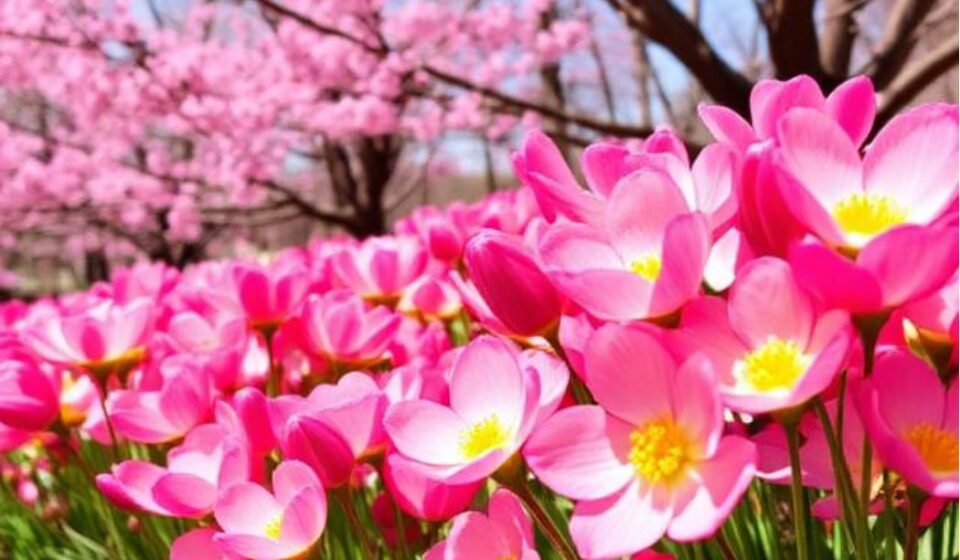

Spring Colors are more than just shades you see in flowers or feel in the breeze. They’re a mood, a mindset, and a reminder that change can be beautiful. When winter fades, the world seems to “turn on” again—leafy greens reappear, petals bloom with renewed confidence, and the sky often looks softer and more luminous than before. Choosing spring colors for your home, outfits, or even social media can help you create a cohesive vibe that feels light, hopeful, and effortlessly modern.
Because spring colors work across many styles—minimal, boho, classic, Scandinavian, and even bold contemporary—they make it easy to refresh your look without starting from scratch. You can add them through small accents like cushions and scarves, or you can go bigger with paint, statement furniture, or head-to-toe outfits. In this article, you’ll explore what spring colors really mean, how to use them confidently, and why they can make everyday life feel a little more vibrant.
Why Spring Colors Feel So Good
Spring colors often trigger positive emotions because they mirror the natural world during a seasonal transition. After long months of muted tones, people tend to crave brightness and clarity. Spring colors deliver that feeling immediately. They can make spaces feel more open, improve visual balance, and even influence how you perceive your own energy.
The Psychology Behind Seasonal Shades
Color psychology isn’t magic, but it can explain why certain hues feel calming or energizing. For example, airy pastels are often associated with softness and ease, while fresh greens can feel revitalizing. Warm accents—like sunny yellows or peachy pinks—often create a sense of optimism. When your color choices align with the season, your brain reads the environment as “new” and “alive,” which can make you feel more motivated.
Spring Colors and the “Refresh Effect”
Spring isn’t just a calendar change—it’s a visual one. Your surroundings shift: more greenery, more sunlight, and more variation in textures. Spring colors capture that shift. Instead of relying on heavy, dark palettes, spring colors lean toward lightness and clarity. That refresh effect can show up in your wardrobe, too. When your clothing reflects the season, dressing each morning can feel less like routine and more like a small celebration.
Top Spring Colors That Never Go Out of Style
If you want a reliable starting point, choose a handful of spring colors and build around them. Doing so helps you avoid a scattered look. Below are popular spring colors that work well across multiple design and style categories.
Soft Sage Green
Soft sage green is one of the most versatile spring colors. It’s not as intense as emerald green, and it doesn’t look overly formal either. Sage green blends beautifully with neutrals like beige, cream, and warm white. You can use it in home decor, from painted walls to patterned curtains, or wear it through knitwear, blouses, and light jackets.
Fresh Butter Yellow
Butter yellow brings gentle warmth without feeling harsh. It’s a spring favorite because it looks like sunlight filtered through leaves. In outfits, butter yellow pairs well with denim, white, and light gray. In interiors, it can brighten corners and add a cheerful tone to kitchen spaces, entryways, and dining areas.
Blush Pink
Blush pink is one of the most recognizable spring colors because it suggests blooming flowers and soft skin tones. It works especially well for romantic or feminine styling, but it can also look modern when combined with crisp white, charcoal accents, or minimal black lines. Blush pink is ideal for dresses, cardigans, sneakers, handbags, and even nail colors.
Sky Blue and Powder Blue
Sky blue and powder blue are calming spring colors that feel airy and open. They’re easy to style because they complement many other hues. Pair blue with sandy tan, soft gray, or crisp white for a clean, fresh look. In decorating, blue can make rooms feel cooler and more spacious, which is especially helpful for small areas.
Lilac and Light Lavender
Lilac and light lavender add a dreamy, artistic touch. These spring colors are perfect for people who want something slightly unexpected but still gentle. Lavender works well with white, silver, and even deeper muted tones like mauve or dusty rose. It’s also beautiful in floral prints and layered textures like knit throws and linen bedding.
Coral and Peachy Apricot
Coral and peachy apricot are warm spring colors that bring energy without being too bold. If you like orange tones but want them to feel softer, peachy apricot is your best choice. Coral can be used as a statement color in both fashion and decor. It pairs nicely with cream, light blue, and natural wood finishes.
How to Use Spring Colors in Fashion
Spring colors look best when you balance brightness with structure. If everything is bright, your outfit can feel chaotic. Instead, consider using one or two main spring colors and keeping the rest neutral or muted.
Build Outfits with a Simple Framework
A simple formula helps: choose one statement color, one supportive color, and the rest in neutrals. For example, if you pick blush pink as the statement, you can pair it with sky blue accents and add cream or white basics like jeans, a skirt, or a blazer. This approach keeps the look coordinated and flattering.
Match Spring Colors to Your Personal Style
Some people prefer subtle spring colors, while others love bolder combinations. The key is consistency. If you’re drawn to soft sage green and powder blue, build a wardrobe around those tones. If you love coral and butter yellow, choose pieces that blend warmth with light fabrics. Remember: spring colors should reflect your taste, not force you into a trend you don’t enjoy.
Fabrics Matter as Much as Colors
Spring colors show up beautifully in breathable materials like cotton, linen, chambray, and lightweight knits. Matte finishes also help colors feel softer and more elegant. Glossy fabrics can make bright hues look more intense. If you want a calm, refined vibe, pick lighter textures and avoid heavy shine.
How to Use Spring Colors in Home Decor
Your home can become a seasonal “reset button” when you introduce spring colors in a thoughtful way. You don’t need a full renovation—small updates can create a major shift.
Start with the Easiest Changes
Begin with items that are easy to swap: throw pillows, table linens, curtains, candles, rugs, and wall art. These pieces let you experiment with spring colors without committing long-term. After that, you can move to bigger choices like paint or furniture accents if you love the results.
Choose a Color Balance for Rooms
To avoid overwhelming a space, pick a dominant tone and balance it with supporting shades. For example:
- Use soft sage green as a base accent.
- Add blush pink or lilac through decor details.
- Keep larger surfaces neutral like cream, white, or warm gray.
This approach helps spring colors look intentional instead of random.
Use Natural Textures to Enhance Spring Colors
Spring colors feel more authentic when paired with natural materials. Think of woven baskets, light wood, linen curtains, cotton bedding, and ceramic accents. When texture and color work together, your space looks curated and comfortable rather than “decorated for the season only.”
Spring Colors for Events, Parties, and Seasonal Marketing
Spring colors can also be powerful for celebrations, branding, and invitations. People often associate spring with weddings, baby showers, garden parties, and outdoor gatherings. Using the right spring colors can make an event feel welcoming and cohesive.
Invitations That Look Fresh
If you’re designing invitations, try a soft background in powder blue or cream, then add typography or floral elements in blush pink, lilac, or butter yellow. These spring colors read clearly and feel cheerful.
Make Your Table Look Seasonal
For table settings, mix bright spring colors with simple neutrals. Use pastel napkins, light colored plates, and natural centerpieces like fresh herbs or spring flowers. This combination makes the table feel bright while staying elegant.
Branding That Feels Like Spring
If you have a business, spring colors can update your brand visuals without changing your identity. You can use seasonal color blocks on social posts, update website banners with soft gradients, or add limited-time promo colors. The goal is to keep your brand recognizable while giving it a seasonal lift.
Common Mistakes to Avoid with Spring Colors
Even though spring colors are easy to love, a few mistakes can make them look off.
Using Too Many Competing Brights
If you mix multiple intense spring colors—like vivid coral, neon green, and bright electric blue—your look may feel busy. Choose fewer shades and give them room to breathe.
Forgetting Neutrals
Spring colors look best when grounded by neutral tones. Cream, white, beige, light gray, and natural wood help the palette feel balanced. Neutrals also make skin tones look fresh, especially in clothing.
Ignoring Lighting
Lighting changes how spring colors appear. Natural light often makes pastels look softer, while warm bulbs can shift colors slightly. When possible, test your color choices in the lighting where they’ll be used most.
Conclusion: Choose Your Spring Colors and Enjoy the Change
Spring colors are one of the easiest ways to celebrate the season. They can lift your mood, refresh your wardrobe, brighten your living space, and help events feel coordinated and joyful. Whether you love soft sage green, blush pink, powder blue, lilac, butter yellow, or coral, the best results come from choosing a small set of spring colors and using them consistently.
You don’t need to overhaul everything at once. Start with one area—like a scarf, a pillow, or a floral centerpiece—and let the rest follow naturally. As spring colors fade into summer hues, you’ll likely notice something important: the world feels more vivid when your choices mirror it.