
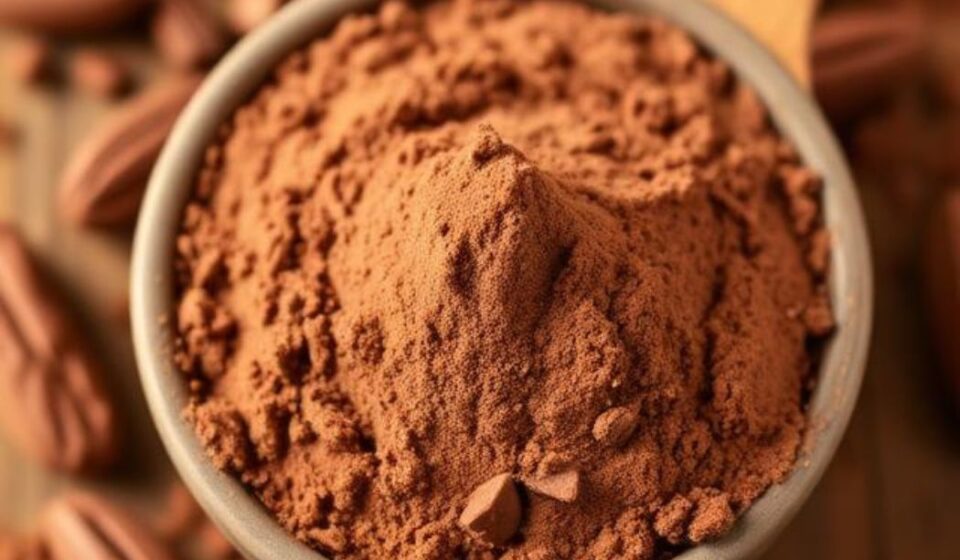

Have you ever stood in the baking aisle, staring at two seemingly identical jars of brown powder, wondering what the real difference is? On one side, you have “cocoa powder,” the familiar staple of your grandmother’s chocolate cake. On the other, there’s “cacao powder,” the trendy, slightly more expensive alternative that promises a world of health benefits.
I used to be a devout cocoa user. It was reliable, predictable, and tasted exactly like a childhood hot chocolate. Then, a friend challenged me to try cacao. She was a nutritionist and swore by its health-boosting properties. I was skeptical—surely, all chocolate powder is basically the same? I was wrong. The moment I tasted the deep, earthy, intense bitterness of raw cacao, I was hooked. It wasn’t just a different flavor; it felt like I was tasting the pure, unadulterated essence of the cacao bean itself.
In this comprehensive guide, we’ll delve deep into the world of cacao powder. We’ll uncover its ancient roots, explore its powerful health benefits, learn how to use it in the kitchen, and finally settle the cacao vs. cocoa debate once and for all. By the end of this article, you’ll be confident in choosing the right powder for your needs and incorporating this “food of the gods” into your daily routine.
What is Cacao Powder?
To understand cacao powder, we first need to understand its source: the Theobroma cacao tree. This tree, native to the Amazon basin, produces pods containing seeds commonly known as cocoa beans. The scientific name translates to “food of the gods,” a name that reflects its revered status in ancient cultures.
The Journey From Bean to Powder
The process of turning a raw cacao bean into cacao powder is a delicate one, but the key difference from cocoa powder lies in the temperature.
-
Harvesting & Fermentation: The cacao pods are harvested, and the beans are extracted and fermented. This crucial step develops the flavor precursors that give chocolate its characteristic taste.
-
Roasting (Low vs. High): To make cacao powder, the fermented beans are roasted at low temperatures before being milled into a powder. This minimal processing is intended to preserve the bean’s natural enzymes and nutrients.
-
Cold-Pressing: For many raw cacao powders, the beans are not roasted at all. Instead, they are cold-pressed to remove the fat (cocoa butter), leaving behind a press cake. This cake is then ground into the fine cacao powder you buy in stores.
Because of this gentle, low-temperature approach, cacao powder retains a much higher concentration of its natural nutrients compared to its heavily processed cousin, cocoa powder.
Cacao vs. Cocoa: What’s the Difference?
This is the most common point of confusion, and for a good reason: the names are often used interchangeably. However, understanding the difference is the key to unlocking the full potential of either powder.
The distinction essentially comes down to processing.
The Case for Cacao Powder
Think of cacao powder as the “raw” alternative. It’s produced from cacao beans that are fermented but then processed at very low temperatures. This minimal intervention means:
-
Higher Nutrient Density: It retains significantly more antioxidants, vitamins, and minerals than cocoa powder. Studies from sources like ConsumerLab.com show that raw cacao powders can have as much, if not more, flavanols than cocoa powders.
-
A Deeper, More Bitter Flavor: Because it lacks the added sugars and mellowing agents found in some cocoa powders, cacao has a powerfully intense, earthy, and bitter chocolate flavor.
-
No Added Sugar or Dairy: Pure cacao powder is naturally free of these, making it a perfect choice for vegans and those on dairy-free or paleo diets.
The Case for Cocoa Powder
Cocoa powder is what you typically find in the baking aisle. It’s made from cacao beans that are roasted at much higher temperatures. This high heat alters the chemical structure of the bean, which changes the flavor and decreases the overall nutrient content. It is also often treated with alkalizing agents (like potassium carbonate) in a process called “Dutch processing,” which neutralizes its natural acidity to make it milder, darker, and more soluble.
-
Milder, Sweeter Taste: Dutch-processing creates a smoother, less bitter flavor that most people associate with classic hot cocoa.
-
Lower Nutrient Content: The high heat and alkalization process cause a substantial reduction in flavonoids.
-
Often Contains Additives: Many commercial cocoa powders have added sugars, dairy, and other ingredients.
| Feature | Cacao Powder | Cocoa Powder |
|---|---|---|
| Processing | Low temperature or raw (cold-pressed) | High temperature, often Dutch-processed |
| Flavor | Intense, bitter, earthy, rich | Milder, sweeter, more mellow |
| Nutrient Content | Higher in fiber, iron, magnesium, and antioxidants | Lower due to nutrient loss from high heat |
| Additives | Typically pure, no added sugar/dairy | Often contains added sugar, dairy, or alkali |
| Cost | Generally more expensive | More affordable and widely available |
Important Note: There are two main types of natural cocoa powder: Natural and Dutch-processed. Natural cocoa is acidic (pH 5.3-5.8) and is often paired with baking soda to help baked goods rise. Dutch-processed cocoa has been treated with an alkali, making it neutral (pH 6.8-7.2) and darker in color, and is typically used in recipes with baking powder . Cacao powder falls in a similar acidic category to natural cocoa.
Health Benefits of Cacao Powder
The reason cacao powder is so celebrated in the health and wellness world comes down to its impressive nutritional profile. It’s a true superfood, packed with powerful compounds that benefit your body and mind.
Rich in Antioxidants (Flavonoids)
Cacao powder is one of the richest sources of flavonoids, specifically flavanols, which are a type of antioxidant. Antioxidants are like your body’s defense system, fighting off free radicals that can cause oxidative stress and damage cells.
This high antioxidant activity is linked to several benefits, including reducing inflammation throughout the body. Some studies have shown that consuming high-flavanol cocoa drinks can improve blood flow and reduce stress-related dysfunction in blood vessels.
A Powerhouse of Essential Minerals
One of the most compelling reasons to add cacao powder to your diet is its incredible mineral content. Per 100 grams, it contains :
-
Magnesium (119% Daily Value): Essential for hundreds of biochemical reactions in your body, including energy production, muscle and nerve function, and bone health.
-
Iron (77% Daily Value): Cacao is a fantastic plant-based source of iron, which is crucial for oxygen transport in the blood. Three tablespoons of cacao can provide 23% of a man’s recommended daily intake. Tip: Pair it with Vitamin C (like in a smoothie) to enhance absorption.
-
Manganese (167% Daily Value): Important for bone formation, blood clotting, and reducing inflammation.
-
Zinc (62% Daily Value): Vital for a healthy immune system and wound healing.
-
Potassium (51% Daily Value): Supports healthy blood pressure and muscle function.
Heart Health and Brain Boosters
The flavanols in cacao also have specific, well-researched benefits for your cardiovascular and cognitive health.
-
Heart Health: By supporting the production of nitric oxide, cacao’s flavonoids help relax and dilate blood vessels, which can lower blood pressure, improve blood flow, and reduce the risk of heart disease. It also helps manage LDL (bad) cholesterol levels.
-
Brain Function: Improved blood flow isn’t just good for the heart; it’s also fantastic for the brain. This enhanced circulation can benefit memory, focus, and overall cognitive performance. The flavanol epicatechin, found in cacao, is specifically linked to boosting brain health.
Mood and Energy Enhancer
Cacao is also a natural mood booster! It contains several compounds that can make you feel good.
-
Theobromine & Caffeine: Cacao provides a mild stimulant effect through caffeine and theobromine (its principal alkaloid). This can promote a sense of well-being, increase energy, and help reduce stress—all without the jittery crash of a strong cup of coffee.
-
Serotonin & Endorphins: The flavonoids in cacao can support the production of neurotransmitters like serotonin and endorphins, which are directly associated with feelings of happiness and wellbeing.
How to Use Cacao Powder: Delicious Recipes
Cacao powder is incredibly versatile. While you can use it as a 1:1 substitute for cocoa powder in many recipes, keep in mind that its more bitter and absorbent nature may require some liquid or sweetener adjustments.
Here are some of the best ways to start incorporating this superfood into your daily routine.
1. The Ultimate Healthy Hot Chocolate
Ditch the sugary packets and make a nutrient-rich hot chocolate in minutes.
-
Method: Mix one teaspoon of cacao powder with a splash of hot water to form a paste, then top up with your favorite hot milk (dairy, almond, or oat). Sweeten with a little maple syrup, agave, or honey. For an extra kick, add a pinch of cinnamon or cayenne pepper.
2. A Power-Packed Smoothie Boost
Transform your morning smoothie into a nutritional powerhouse.
-
Banana & Almond Butter Smoothie: Blend a frozen banana, 2 tablespoons of cacao powder, a spoonful of almond butter, 235ml of almond milk, and a scoop of chocolate protein powder. It’s the perfect post-workout recovery drink.
3. Cacao-Infused Breakfasts
Add a delicious chocolatey twist to your breakfast.
-
Cacao Oatmeal: Stir a tablespoon of cacao powder into your stovetop oats with a dash of cinnamon. Cook as usual and top with sliced bananas, nuts, and a drizzle of honey.
-
Chocolate Yoghurt: Mix a little cacao powder into plain Greek yoghurt or a smoothie bowl.
4. Upgrade Your Coffee
For a delicious “mocha” without the sugar, add a tablespoon of cacao powder to your morning coffee. It adds a deep, rich flavor and a subtle energy boost.
5. “Brewed” Cacao
Instead of coffee, try using a French Press to brew cacao.
-
Method: Add 2 tablespoons of cacao powder to your French press with 1 cup of water. Stir, steep for 10 minutes, and press. Add your favorite milk and sweetener for a unique, antioxidant-rich drink.
6. Baking with Cacao
Yes, you can bake with it! Many expert bakers regularly use cacao powder instead of cocoa in their brownies and cakes for a more intense chocolate flavor. Remember to adjust the liquid ratios as cacao is more absorbent.
Practical Tips and Common Mistakes
To get the most out of your cacao powder, it’s important to address a few common mistakes.
Mistake #1: Using Boiling Water for Drinks
If you pour boiling water directly onto cacao powder, it can sometimes become grainy or clump. Always mix your powder with a small amount of cold or room-temperature liquid first to form a smooth paste, and then add the hot water or milk. This technique prevents lumps and ensures a creamy texture.
Mistake #2: Not Adjusting for Bitterness
Cacao powder is naturally bitter. If you’re used to sweetened hot cocoa, you might find it unpleasant at first. Start with a small amount (1 teaspoon) and gradually increase the quantity as your taste buds adapt. Sweeten it naturally with a little honey, dates, or maple syrup.
Mistake #3: Overconsumption and Ignoring Heavy Metals
This is a crucial point that many articles miss. Cacao and cocoa powders can contain cadmium, a toxic heavy metal that occurs naturally in the soil [citation:13]. Cadmium levels can be quite high in cocoa powders. The European Union has imposed limits for cadmium in cocoa powder, and California requires warning labels for products exceeding certain levels.
-
Solution: Don’t consume massive amounts of cacao powder daily. A moderate serving of 1-2 tablespoons a day is generally considered safe. If you are pregnant or have specific health concerns, consult your doctor. Also, be mindful that cacao contains caffeine and theobromine, which can be toxic to pets like dogs and cats.
The Future of Cacao
As we look to 2026 and beyond, the cacao industry is undergoing exciting and necessary changes.
Sustainability Concerns:
Cacao farming can be a tricky business. As the world’s demand for chocolate and cacao products increases, consumers are becoming more conscious of the environmental and social impact of their choices. We are seeing a clear trend toward ethically sourced, fair-trade, and regenerative agriculture practices. People want to know that their delicious cacao isn’t coming at the cost of deforestation or unfair labor practices.
The Rise of “Ceremonial” Cacao:
There is a growing movement beyond the kitchen. “Ceremonial-grade” cacao is gaining popularity, moving away from being just a food ingredient to a tool for mindfulness, meditation, and spiritual practices. This draws on the ancient Mayan and Aztec traditions where cacao was used in healing rituals, reconnecting with the “food of the gods” on a deeper, more ritualistic level.
Better Farming for Better Health:
There is a growing emphasis on reducing the risks associated with cacao, such as heavy metal contamination. Producers are starting to adopt more rigorous testing and implement better farming practices to reduce the cadmium uptake of cacao trees, ensuring a safer and healthier product for consumers.
Conclusion
Cacao powder is so much more than a trendy, Instagram-worthy ingredient. It is a powerful, nutrient-dense superfood with a rich history and a promising future. By choosing cacao powder over its heavily processed counterpart, you’re not just getting a more authentic, deeper flavor—you’re also fueling your body with a potent dose of antioxidants, vital minerals, and natural mood boosters.
While it’s important to be mindful of its caffeine and cadmium content, the benefits of incorporating a moderate amount of this ancient superfood into your diet are undeniable.
Key Takeaways
-
Cacao vs. Cocoa: The difference comes down to processing. Cacao is made at low temperatures and retains more nutrients, while cocoa is roasted higher, resulting in a milder flavor but fewer health benefits.
-
Nutrient Powerhouse: Cacao powder is exceptionally rich in antioxidants (flavonoids), magnesium, iron, and zinc.
-
Health Benefits: It may support heart health, improve blood flow and brain function, and provide a natural mood and energy boost.
-
Versatile Use: It can be used in smoothies, oatmeal, baking, or as a healthy hot chocolate.
-
Buying Tip: Always check the label. Look for pure, unsweetened cacao powder with no added sugar, dairy, or artificial ingredients.
I hope this guide has helped you demystify cacao powder and inspired you to give it a try. I know my own journey from a cocoa purist to a cacao lover has been a delicious and incredibly healthy one.
Frequently Asked Questions (FAQs)
Q: Is it OK to have cacao powder every day?
A: Yes, daily consumption of cacao powder is generally fine for most people, provided it is in moderate amounts (about 1-2 tablespoons). It is rich in antioxidants and minerals. However, be mindful of its caffeine content and potential heavy metal contamination, and adjust your intake accordingly.
Q: Can you substitute cacao for cocoa powder in baking?
A: Yes, you can use cacao powder as a 1:1 substitute for cocoa powder. However, because cacao is more absorbent, you may need to add slightly more liquid to your recipe. Also, its flavor is more bitter, so you might need to increase the sweetener.
Q: What is the difference between cacao and cocoa powder?
A: The main difference is in processing. Cacao powder is produced by cold-pressing unroasted (or low-temperature roasted) cacao beans, preserving more nutrients. Cocoa powder is made from beans roasted at much higher temperatures, which lowers the nutrient content and creates a milder, sweeter flavor.
Q: What does cacao powder taste like?
A: Cacao powder has a deep, earthy, and intensely bitter chocolate flavor. It is much less sweet and more complex than cocoa powder because it contains no added sugar and has not been alkalized to reduce its natural acidity.
Sources
-
Wikipedia. (n.d.). Cocoa powder.
-
Holland & Barrett. (2024). Cacao powder: benefits, uses and differences to cocoa powder.
-
Simple Mills. (2021). Crazy About Cocoa? Here’s the 411 on Cocoa Powder.
-
To’ak Chocolate. (2023). Cacao Recipes: Our Favorite Ways to Use Cacao.
-
WebMD. (2025). Health Benefits of Cacao Powder.
-
Holland & Barrett. (2024). Cacao powder: benefits, uses and differences to cocoa powder.
-
Nuzest. (2025). Cocoa powder.
-
ConsumerLab.com. (2019). What is the difference between cocoa and cacao?
-
The Cocoa Circle. (2026). Four Cacao Powder Recipes for Fall.
-
WebMD. (2025). Health Benefits of Cacao Powder.