
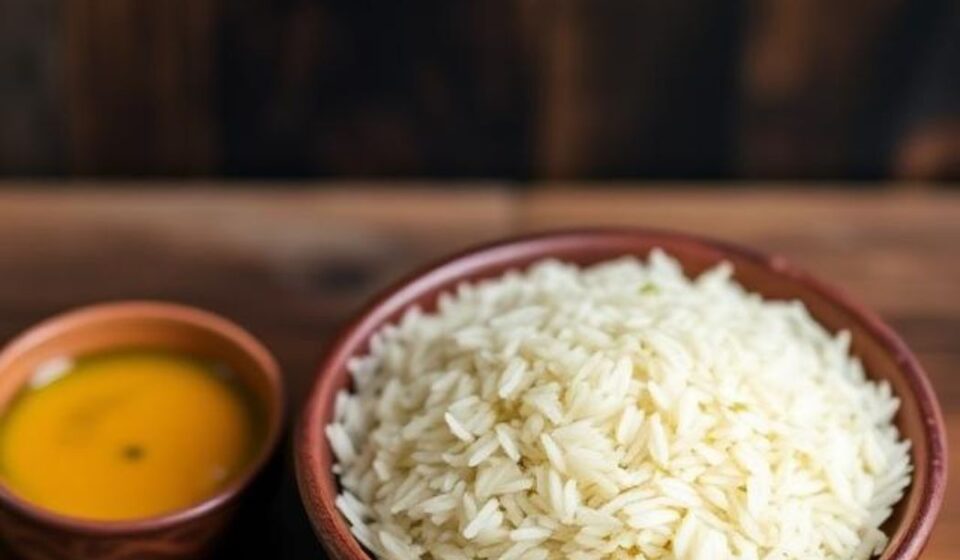

When we think of premium aromatic rice, Basmati often takes the spotlight. However, nestled in the lush fields of West Bengal and Bangladesh lies a hidden gem that is rapidly gaining recognition among health enthusiasts and food connoisseurs: Banskathi rice (also spelled Banshkathi or Bashkathi).
If you are looking for a daily-use rice that balances incredible taste, authentic aroma, and impressive health benefits, Banskathi might just be your new pantry staple. In this post, we dive deep into what makes this grain special, how it differs from Basmati, and why you should switch to this Bengal delicacy.
What is Banskathi Rice?
Banskathi rice is a long-grain, non-basmati rice variety primarily cultivated in the Indian subcontinent, specifically in West Bengal and parts of Bangladesh. Unlike the super-slender Basmati, Banskathi features medium-to-long slender grains that are slightly thicker, offering a more satisfying bite.
Historically a staple in Bengali households, this rice is celebrated for its natural, subtle fragrance. While Basmati is known for its intense, popcorn-like aroma, Banskathi provides a milder, earthy scent that complements rather than overpowers the spices in curries and biryanis.
Banskathi vs. Basmati: The Difference
-
Origin: Basmati is exclusive to specific districts of India and Pakistan; Banskathi thrives in the coastal lowlands of Eastern India.
-
Aroma: Basmati is highly fragrant; Banskathi has a subtle, delicate aroma.
-
Texture: Basmati elongates further; Banskathi is slightly plumper and exceptionally non-sticky.
-
Usage: Basmati is reserved for special occasions like Biryani; Banskathi is a premium daily-use rice that also works for festive dishes.
Why Banskathi Rice is a Superfood
While regular white rice often gets a bad rap for spiking blood sugar, Banskathi—especially the parboiled variety—offers a nutritional profile that sets it apart.
1. Low Glycemic Index (Diabetic-Friendly)
One of the most significant advantages of Banskathi rice is its low glycemic index (GI). It is widely marketed as having 50% fewer carbohydrates than traditional white rice. This means glucose is released slower into the bloodstream, preventing insulin spikes. This makes it an ideal choice for diabetics and those on weight management plans.
2. Rich in Vitamins and Antioxidants
Because it is often processed as parboiled rice (steamed in the husk), Banskathi retains more nutrients than raw white rice.
-
Vitamin B Complex: It is packed with B6, B3, and B1, which are crucial for metabolism, neurotransmitter function, and hormone regulation.
-
Anthocyanins: This rice contains antioxidants that help reduce inflammation and have been linked to cancer prevention.
3. Digestive Health
Given its non-sticky nature and high-quality fiber content, Banskathi is easy to digest and helps in maintaining a healthy gut.
Nutritional Snapshot (Approx. per 100g)
-
Energy: ~372 Kcal
-
Carbohydrates: ~78g
-
Protein: ~7.6g (Higher than standard white rice)
-
Fat: 0.55g
-
Cholesterol: 0.
Cooking with Banskathi: Tips and Techniques
Cooking Banskathi rice is slightly different from cooking regular white rice due to its specific starch content. To achieve that fluffy, separate-grain texture, follow this professional cooking guide.
The Perfect Boiling Method (Drainage Method)
This method is best for Pulao or everyday rice where you want distinct grains.
-
Rinse Thoroughly: Wash the rice under cold water until the water runs clear. This removes excess surface starch.
-
Soak (Crucial Step): Soak the rice in lukewarm water for 30 minutes. This allows the grains to hydrate evenly, preventing breakage.
-
The Water Ratio: Use a 5:1 water-to-rice ratio. Bring 5 cups of water to a rolling boil for every 1 cup of rice.
-
Boil: Add the drained rice to the boiling water. Boil on medium heat.
-
Check Doneness: Stir occasionally. When the rice is soft and tender but not mushy (usually 10-12 minutes), turn off the heat.
-
Drain: Immediately drain the excess water using a colander. Let it sit for 5 minutes to steam dry. Fluff with a fork.
The Absorption Method (For Rice Cookers/Pots)
-
Ratio: 1 cup rice: 2 cups water.
-
Process: Combine rice and water, bring to a boil, reduce heat to low, cover, and simmer for 15 minutes. Turn off heat and let it rest covered for 5 minutes.
Delicious Recipes to Try with Banskathi Rice
The beauty of Banskathi lies in its versatility. It is sturdy enough for heavy curries yet subtle enough for light broths.
1. Bengali Ghee Pulao (Festive Rice)
Banskathi is the preferred choice for authentic Bengali Pulao (also known as “Polao”).
-
Method: In ghee, fry cashews, raisins, and bay leaves. Add soaked Banskathi rice and sauté gently. Add hot water, salt, and a pinch of sugar. Cook until fluffy. The rice absorbs the ghee without turning sticky, resulting in a fragrant, royal dish.
2. Homestyle Biryani
While many use Basmati, Banskathi offers a rustic take on Biryani. The grains hold up well to the heavy masala and meat juices without dissolving.
3. Banskathi Rice Pudder (Payesh/Kheer)
Because of its ability to absorb liquid while retaining a slight bite, Banskathi makes a mean rice pudding. Simmer it in full-fat milk with sugar and cardamom. The rice grains remain distinct in the creamy dessert.
4. Everyday Steamed Rice
It is the perfect companion for Masoor Dal, Macher Jhol (Fish Curry), or Chicken Kosha. It won’t clump together, making every bite a pleasure.
Where to Buy and Storage Tips
Banskathi rice is widely available online in India and through specialty South Asian grocery stores globally.
-
Look for: “Premium Banskathi Rice,” “Parboiled Banskathi,” or “Banshkathi Sortex Clean.” Sortex cleaning ensures the rice is stone-free.
-
Shelf Life: When stored in a cool, dry place in an airtight container, Banskathi rice can last up to 24 months.
-
What to avoid: Some cheaper variants may be labeled “Banskati” but are lower quality. Look for medium-to-long grains and an off-white color (indicating parboiled nutrition).
Final Verdict: Is Banskathi Rice Right for You?
Absolutely. If you are someone who eats rice daily and wants to manage your weight or blood sugar without sacrificing taste, Banskathi is a game-changer. It offers the aroma of a premium grain with the practicality of a daily staple.
Step away from the generic long-grain white rice and bring home the taste of Bengal. Your taste buds—and your health—will thank you.
Have you tried Banskathi rice before? Share your favorite recipe in the comments below!