
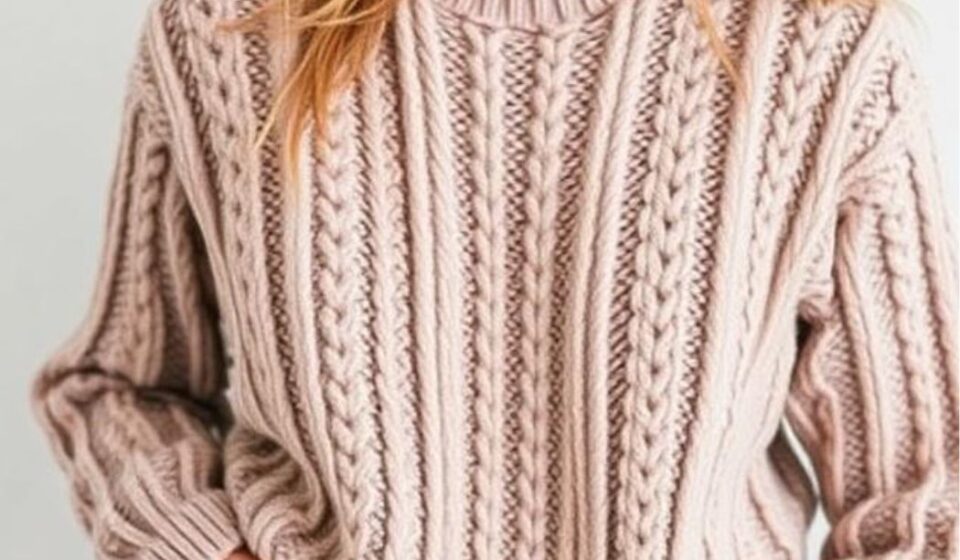

We all have that one sweater. The one we reach for on a crisp autumn morning, the one that feels like a warm hug from an old friend. It’s not just a piece of clothing; it’s an essential. But finding that perfect knit sweater can feel like a quest. You’ve probably experienced the letdown of a sweater that pills after a few wears, loses its shape, or just doesn’t feel quite right.
In a world of fast fashion, the search for a truly great knit sweater can be daunting. But it’s a search worth undertaking. As one expert puts it, you’re looking for “the real one. The one that ages well, develops a patina, and eventually becomes an extension of you”. This guide is your roadmap to not just finding, but also caring for and styling a knit sweater that will become a cornerstone of your wardrobe for years to come.
The Art and History of the Knit Sweater
The story of a knit sweater is one of craft, culture, and practicality. “A knit sweater is more than just a piece of clothing; it is a blend of tradition, craftsmanship, and style”. Its history dates back to the Middle Ages, where garments were knitted for fishermen and sailors to protect them from the harsh elements. This was clothing born of necessity.
Over time, this practical garment evolved into an art form. Intricate patterns emerged in different cultures, like the iconic Aran sweaters from Ireland. These were not just fashion statements; their complex cable patterns often represented family heritage and identity, passed down through generations. Every stitch told a story, making each garment deeply personal and culturally significant.
Today, that legacy of craftsmanship persists. In a world of mass production, a well-made sweater still carries that history, connecting the wearer to centuries of tradition. It’s this blend of heritage and timeless style that makes the knit sweater an enduring wardrobe essential.
Anatomy of a Perfect Knit Sweater: Materials and Construction
The secret to a great sweater lies in the details. It is, as one fashion expert says, “a small piece of architecture. Not a cloud. Recognizing the quality of a garment before you buy it is the key to avoiding future disappointment.
Fiber Foundations: Choosing Your Material
The material is the soul of your sweater. It tells you before the label does whether a sweater will last . Here’s a breakdown of the best choices:
-
100% Merino Wool: The Goldilocks of wools. It’s flexible, naturally warm, and offers excellent temperature regulation. Importantly, “if you choose a good quality merino, there’s no reason for it to pill”. It’s perfect for layering in cool weather (45-60°F).
-
Dense Cashmere: The luxury option. It’s prized for its incredible softness and warmth. When choosing cashmere, ensure it’s dense and not so thin you can see your hand through it. Heavier cashmere sweaters are ideal for colder days (20-45°F).
-
Alpaca Blends: Incredibly warm and soft, alpaca is perfect for freezing temperatures (10-20°F) . The key is to look for a tight knit to ensure durability.
-
Combed Virgin Wool: This gives you a smooth, strong yarn that doesn’t collapse or lose its shape, making it another excellent choice for a durable sweater.
-
Cotton: The breathable, lightweight option. A great 100% cotton crewneck is a summer staple or a perfect layering piece for warmer days (60-75°F).
What to Avoid: Be wary of mixes like “acrylic and a hint of dream.” These are often a recipe for immediate pilling and a short lifespan.
The Three Key Tests of Quality
Quality is in the details. Use these simple tests when shopping for your next knit sweater.
-
The Tightness Test: Pull the fabric slightly. “If you can see your finger through it, forget it”. A good knit should be tight and dense, which helps it hold its shape and insulate better.
-
The Weight Test: It’s not about lifting weights, but the sweater needs some body. It shouldn’t feel limp or “sad” in your hands. That weight is a good indicator of quality material and construction.
-
The Shoulder Test: The shoulder seam should fall right on your shoulder. “A good shoulder structures everything—even a badly chosen pair of jeans”. This single detail can make a huge difference in how a sweater looks and drapes on your body.
The Knit Sweater in 2026: Your Guide to the Trends
While a classic sweater is timeless, each season brings fresh ways to wear them. 2026 is all about injecting personality and playful sophistication into our knits. This shift is partly driven by a move away from “quiet luxury” and toward a wave of maximalism and self-expression.
The 2026 Knitwear Trends to Know
-
The Prelayered Look: This is a major trend where you can get the look of layered knits without the bulk. “Sweaters, cardigans, and knit long-sleeve tops made prelayered are everywhere… the design takes all of the guesswork out of deciding what will look good. It’s the ultimate hack for a stylish, effortless outfit.
-
Bold Pastel Tones: Move over, neutrals. “Why wear neutrals when you can wear bright and bold pastels instead?” . This is the quickest way to refresh your wardrobe and inject some joy into the season.
-
Knit Wool Skirts: A skirt and sweater are a classic combo, but a knit skirt takes it to the next level. “If you think skirts are a seasonal item that can only be worn in the warmer months, you’re wrong!”. Paired with colorful stockings and boots, it’s a perfect cold-weather outfit.
-
The Relaxed Polo: The polo knit is shifting from a collegiate, sporty look to something more relaxed and versatile. Look for oversized fits and wider collars for a modern, effortless vibe.
-
The Pretty Pointelle: Eyelet details and delicate patterns on cardigans and sweaters offer a clean, understated femininity that continues to feel fresh.
How to Style the Trends
-
The French Way: The secret to French style is that a French woman doesn’t just “wear” a sweater. She gives it “context, controlled disorder, an attitude”. This could mean pairing a casual crewneck with tailored trousers, or a chunky knit with delicate jewelry.
-
The Layering Masterclass: A classic crewneck remains “perfect for layering or wearing on its own”. Use a lightweight, tissue-thin knit as a base layer or invest in a “prelayered” style for instant depth and interest.
The Knit Sweater Care and Longevity Guide
Investing in a good sweater is only half the battle; caring for it properly is what ensures it becomes a lifelong companion. As the saying goes, “the sweater needs rest. Never wear the same one two days in a row. Like a good wine, it needs time to recover from the effort”.
The Golden Rules of Sweater Care
-
Wash Sparingly: This is a cardinal rule. “Wash only when necessary. It’s French and very not politically correct, but fresh air does a better job than the machine”. Often, a good airing out is all your sweater needs.
-
The Proper Wash: When you must wash, do it on a wool cycle with cold water and no aggressive spinning. Better yet, hand-wash in cool water with a wool-specific detergent.
-
Drying is Critical: Never, ever put your knit sweater in the dryer. This is a recipe for shrinkage. Instead, “lay them flat to dry” to preserve their shape.
-
The Freezer Trick: This is a strange but effective tip: if a sweater is a little smelly or you want to freshen it up, put it in an airtight bag and freeze it. It helps kill bacteria and odors without the damage of washing.
-
Smart Storage: Always fold your sweaters. “Avoid hanging them, as this can cause them to stretch out of shape”. Store them in a drawer or on a shelf, away from direct sunlight.
-
Tackling Pilling: Pilling is a natural occurrence, but it can be managed. Use a “de-pilling comb (sweater comb)” or a fabric shaver to keep your sweater looking fresh. Think of it as a gentle exfoliation for your favorite garment.
Pros, Cons, and Balanced Analysis of the Knit Sweater
Understanding the pros and cons helps you make informed choices that align with your lifestyle and style goals.
Pros:
-
Versatility: Works for nearly every occasion, from a casual day out to the office.
-
Longevity: A high-quality sweater can last for decades if properly cared for.
-
Timeless Style: It transcends fleeting trends, remaining a classic staple.
-
Sustainability: Choosing a well-made, durable sweater is a step toward sustainable fashion, moving away from “fast fashion” and supporting “slow fashion”.
Cons:
-
Cost: Quality sweaters can be a significant investment upfront.
-
Care: Many high-quality sweaters require delicate care (hand washing, flat drying).
-
Durability Concerns: Low-quality sweaters can pill, stretch, or shrink easily.
-
Seasonality: While lightweight versions exist, chunky sweaters are primarily a cold-weather garment.
A Knit Sweater Future: A Look Ahead
The future of the knit sweater is bright and thoughtful. The push for sustainability is not just a trend but a lasting shift. “Many people are choosing handmade or ethically produced sweaters to reduce their environmental impact”. This supports a move towards slow fashion, where quality and provenance are highly valued.
We can expect to see more innovation in sustainable materials and transparent supply chains. The trend towards expressive, personalized fashion will continue, giving us more unique and playful designs to choose from, ensuring the knit sweater remains a dynamic and beloved piece for generations to come.
Conclusion & Key Takeaways
The knit sweater is more than just a garment; it’s an heirloom, a statement, and a friend. By learning to recognize quality, embracing current trends, and committing to proper care, your favorite sweater can truly stand the test of time.
-
Invest in Quality: Prioritize natural fibers like merino wool, dense cashmere, and alpaca. Avoid thin knits and poor-quality blends.
-
Test Before You Buy: Use the “tightness,” “weight,” and “shoulder” tests to assess quality.
-
Know the 2026 Trends: Refresh your wardrobe with bold pastels, “prelayered” styles, and knit skirts.
-
Wash Sparingly: Air out your sweater instead of washing it. Hand-wash cold and always lay flat to dry.
-
Store Carefully: Always fold your sweaters to prevent them from stretching.
-
Embrace Imperfection: Use a de-pilling comb to manage pilling and keep your sweater looking fresh.
Detailed FAQs
Q: What is the best material for a knit sweater?
The “best” material depends on your needs, but for a combination of warmth, durability, and minimal pilling, 100% merino wool is an excellent choice. For ultimate softness, choose dense cashmere. For warmth in the coldest temperatures, alpaca blends are hard to beat.
Q: How do I stop my sweater from pilling?
Pilling is caused by friction. You can minimize it by not wearing the sweater too often, washing it inside out, and using a de-pilling comb or fabric shaver to remove pills as they appear.
Q: Is it better to wash or dry clean a wool sweater?
Always check the label. However, many high-quality wool sweaters can be hand-washed in cold water with a gentle detergent and laid flat to dry. This is often gentler than dry cleaning. Fresh air is also a great alternative to washing.
Q: How can I tell if a knit sweater is good quality?
Quality is in the details. Look for a dense, tight knit, a sweater that feels like it has some weight, and a shoulder seam that falls perfectly on the shoulder. Also, check the material composition; natural fibers are usually a sign of better quality.
Q: What is the difference between a crewneck, V-neck, and turtleneck sweater?
-
Crewneck: A classic, round, close-fitting neckline; versatile and casual.
-
V-neck: Features a “V” shape at the neckline; can be flattering and is great for layering.
-
Turtleneck: A high, close-fitting collar that covers the neck; provides extra warmth and a sophisticated look.
Q: Why do some sweaters shed so much?
Shedding is often a sign of loose fibers and lower quality yarn. A tight, dense knit from high-quality fibers like merino or dense cashmere will shed much less.
Sources
-
Shantou Textile and Garment Industry Association – knit sweater
-
Walter Foster – Sweater Success by Chantal Miyagishima
-
Harper’s BAZAAR – These Lightweight Spring Sweaters Go With Literally Everything
-
Who What Wear – The Perfect Knit Sweater: How to Spot One, Keep It Forever, and Wear It the French Way
-
Gucci – Knit wool sweater with embroidery
-
LoveReading UK – Sweater Success by Chantal Miyagishima
-
Who What Wear – Not Cardigans, Not Turtlenecks: These 4 Knitwear Trends Are Already Defining 2026
-
Modanisa – Knit Sweaters
-
Gucci – Knit cashmere sweater with ribbon
-
GQ – The 2026 GQ Sweater Report