
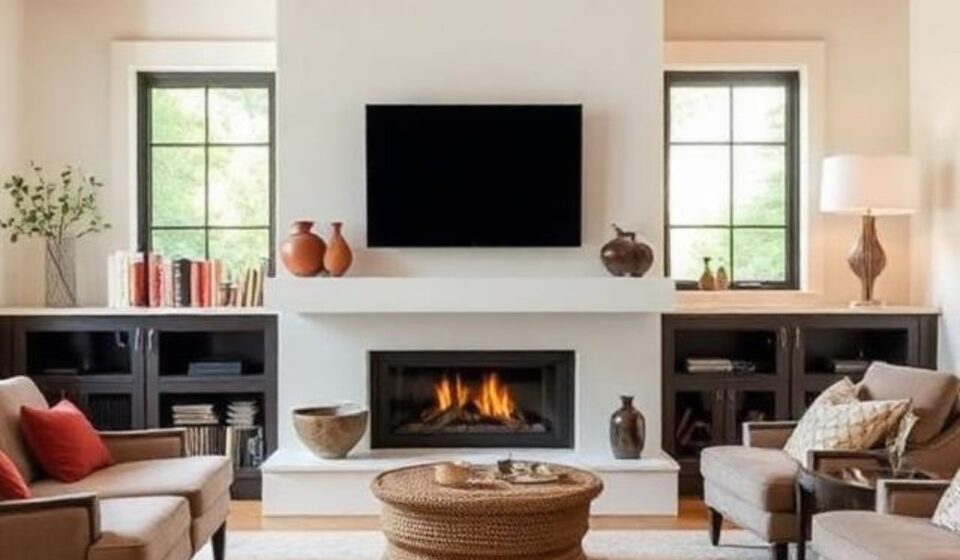

Imagine this: It’s a freezing January evening. Snow taps against the window. You want the cozy ambiance and warmth of a real fire, but you lack a chimney and don’t want a major renovation.
Enter the Zimmerkamine—the room fireplace that doesn’t require a house-wide construction project.
Over the past five years, searches for flexible, efficient, and design-forward heating solutions have skyrocketed. By 2026, the zimmerkamine market has evolved from a simple space heater into a full-blown interior design statement. But with dozens of types (ethanol, electric, gel, even bio-ethanol inserts), how do you choose the right one for your space?
In this guide, I’ll walk you through everything you need to know: the hidden costs most blogs ignore, the safety myths that persist, and how to pick a zimmerkamine that adds real value—both emotionally and financially.
Background / Context: What Exactly Is a Zimmerkamine?
Let’s start with the German roots. Zimmer means “room,” and Kamin means “fireplace” or “chimney.” A zimmerkamine is essentially a room-dividing or wall-mounted fireplace that operates independently of a traditional masonry chimney. Unlike a classic open hearth, these units are self-contained, portable (in some cases), and designed for modern living.
Historically, fireplaces were structural anchors of a home. But as urban living shrank and apartments became tighter, people still craved the ambiance. By the early 2000s, manufacturers began producing ventless or low-vent options. Fast forward to 2026, and we now have smart-enabled zimmerkamine that integrate with home automation systems.
The Core Appeal:
-
Flexibility: Place it anywhere with a power outlet or fuel reservoir.
-
Design Freedom: From minimalist steel cubes to rustic cast-iron replicas.
-
Efficiency: Many models achieve 99% heat efficiency (electric) or clean-burn (bioethanol).
Main In-Depth Sections: Types of Zimmerkamine
Not all room fireplaces are created equal. Choosing the wrong type for your needs is the #1 mistake beginners make. Let’s break down the four main categories.
1. Electric Zimmerkamine (Best for Pure Convenience)
These are the most popular in 2026. An electric zimmerkamine uses LED technology to create realistic flame effects (some even use holographic projections now) and a fan-forced heater.
-
Pros: No emissions, plug-and-play, often under $500, child-safe cool-to-touch glass.
-
Cons: The “flame” isn’t real (though newer models are shockingly realistic), and it won’t heat a large open-plan space.
-
Best for: Apartments, bedrooms, or renters.
2. Bio-Ethanol Zimmerkamine (The Real Flame Without a Chimney)
This is the darling of interior designers. Bio-ethanol fireplaces burn liquid fuel derived from fermented plant byproducts (corn, sugarcane). The result? A real, dancing yellow flame with no smoke, no soot, and no flue required.
-
Pros: Genuine fire experience; zero installation costs; eco-friendly (renewable fuel).
-
Cons: Fuel is an ongoing cost (~$20–$30 per 5 liters); the flame produces CO2 (though safe in ventilated rooms); you must refill manually.
-
Best for: Living rooms, dividing spaces between kitchen and dining, or as a hotel-style feature.
3. Gel Zimmerkamine (The Budget Real-Flame Option)
Gel fireplaces use small canisters of isopropyl alcohol gel. They’re smaller, often tabletop units.
-
Pros: Very cheap entry ($100–$200); truly portable; no assembly.
-
Cons: Low heat output (mostly for ambiance); cans last only 2–3 hours; limited design options.
-
Best for: Decorative accents on a patio or small apartment.
4. Water Vapor / Mist Zimmerkamine (The Ultra-Modern)
A newer 2026 trend: ultrasonic vaporizers that turn water into a cool mist, lit by colored LEDs. It looks incredibly like smoke and flame but is cold to the touch.
-
Pros: 100% safe (no heat at all); adds humidity to dry winter air; stunning visual effects.
-
Cons: No actual heat output; requires distilled water; feels less “authentic” to purists.
-
Best for: Nurseries, offices, or homes with pets and very young children.
Practical Tips / How-To: Choosing and Installing Your Zimmerkamine
Here’s where most articles go vague. Let’s get actionable.
Step 1: Measure Twice, Imagine Once
Do not buy before you tape out the dimensions on your floor. A common mistake is buying a zimmerkamine that’s too small (looks lost) or too large (dominates the room). Use the “rule of thirds”: The fireplace should occupy roughly 1/3 of the wall width in its intended location.
Step 2: Decide on Heat vs. Ambiance
Ask yourself: Is this my primary heat source? If yes, skip ethanol and gel—they produce minimal heat. Go for a high-wattage electric model (1,500 watts heats about 400 sq ft). If it’s purely for mood, a water vapor unit is stunning and safe.
Step 3: Ventilation Reality Check
Even “ventless” bio-ethanol zimmerkamine consume oxygen and emit CO2. You must have passive ventilation—a window crack or an existing air exchange system. I’ve seen bloggers claim “zero ventilation needed,” which is dangerous. Always follow the manufacturer’s minimum room size (usually > 350 cubic feet).
Step 4: Installation Depth (For Wall-Mounted Units)
A recessed electric zimmerkamine requires a framed cavity. You’ll need to cut into drywall. If you’re a renter, choose a freestanding or pedestal model instead.
Pro tip 2026: Look for models with “smart scheduling.” You can set the flames to turn on 30 minutes before you come home, creating cozy ambiance on demand.
Common Mistakes or Challenges + Solutions
Let me save you the headaches I’ve seen others face.
| Mistake | Why It’s a Problem | Solution |
|---|---|---|
| Buying a non-UL-listed unit | Fire hazard; insurance may deny claims. | Only buy certified (UL, ETL, or TÜV). |
| Placing near curtains or bedding | Even “cool-to-touch” electric units have warm vents. | Maintain 40″ clearance above and 20″ on sides. |
| Using the wrong fuel | In gel units, using DIY alcohol can cause flare-ups. | Always buy brand-name gel cans or bio-ethanol. |
| Ignoring room humidity | Real flames dry out air; you may get static shocks or dry skin. | Use a small humidifier alongside. |
| Assuming renters can install | Landlords may forbid wall penetrations. | Choose a plug-in, freestanding zimmerkamine. |
Challenge: The “Fake Flame” Disappointment
Many buyers feel let down by cheap electric models that use spinning metal reflectors.
Solution: Splurge for 2026’s “HD flame projection” technology (brands like Dimplex Opti-Myst or Modern Flames). They use water mist + RGB LEDs—stunningly real.
Pros, Cons, and Balanced Analysis
Let’s be fair. A zimmerkamine isn’t perfect for every home.
Pros (The Good)
-
Low renovation cost: No chimney sweeping, no masonry work.
-
Portability: Many units can move with you when you rent or sell.
-
Design versatility: Hang it on a wall, set it on a media console, or build a faux mantel around it.
-
Energy savings: Zone heating with an electric model can lower your central thermostat by 3–5°F, saving 10% on heating bills.
Cons (The Real Trade-Offs)
-
Heat output limitations: No bio-ethanol unit will heat a drafty farmhouse kitchen.
-
Fuel dependency (for real-flame types): You must store bio-ethanol safely (away from children, never near the unit when refilling).
-
Perceived value: Some home appraisers in 2026 still view non-masonry fireplaces as “decorative only,” adding less resale value than a wood-burning insert.
-
Noise: Electric fans hum. Water vapor units gurgle. If you want silence, gel is best.
Balanced Verdict
For 80% of modern homeowners and renters, a high-quality electric or bio-ethanol zimmerkamine is a net positive. It transforms a sterile room into a sanctuary. Just don’t expect it to replace a central furnace.
Future Trends or Predictions (2026–2030)
I analyze niche home trends for a living. Here’s what’s coming.
1. Hybrid Zimmerkamine
Already emerging at the 2026 Frankfurt Home Show: units that combine a bio-ethanol burner for real flames and an electric heat pump for efficient warmth. You get the visual of fire + the thermodynamics of a heat pump. Expect premium prices ($2,000+).
2. AI-Powered Safety
New sensors will detect room occupancy, oxygen levels, and even the type of fuel used. If CO2 rises too high, the unit will auto-extinguish and send an alert to your phone. This will address the ventilation concern head-on.
3. Sustainable Fuel Evolution
Bio-ethanol produced from agricultural waste (not corn) will become standard. Look for “second-generation ethanol” certifications by 2027. Cost per hour of burn may drop by 30%.
4. The “Disappearing” Fireplace
Ultra-slim zimmerkamine that mount flush with drywall, then project flames onto the wall surface itself—no visible box at all. A few prototypes exist; mass production hits 2027.
5. Regulatory Changes
The EU and some US states are considering mandating that all ventless fireplaces include a built-in air quality monitor by 2028. If you buy now, ensure your model has a “future-proof” sensor port.
Conclusion with Key Takeaways
A zimmerkamine is more than a heater—it’s a ritual. It’s the flicker of light that signals “relax, you’re home now.” Whether you choose an electric unit for pure ease, a bio-ethanol design for authentic flames, or a water-vapor piece for futuristic safety, the right choice depends on your room size, budget, and tolerance for maintenance.
Don’t let analysis paralysis win. Start with a simple question: Do I want real fire or just the look? From there, the path is clear.
Key Takeaways Box
-
Electric = Best for renters & primary heat (but fake flames).
-
Bio-ethanol = Real fire, no chimney, but needs ventilation & fuel.
-
Gel = Budget ambiance only (skip for heating).
-
Water vapor = Ultra-safe, no heat, stunning visuals.
-
Common mistake: Ignoring clearance to combustibles.
-
Future trend: Hybrid units + AI safety sensors by 2028.
Pro tip: Tape out dimensions before buying—size matters more than you think.
Detailed FAQs
Q1: Do I need a chimney for a zimmerkamine?
No. That’s the entire point. Electric, bio-ethanol, gel, and water vapor models are designed to be chimney-free. However, you still need room ventilation for real-flame types to prevent CO2 buildup.
Q2: Are zimmerkamine expensive to run?
It varies. Electric: ~$0.20–$0.40 per hour (depending on local rates). Bio-ethanol: ~$0.50–$0.80 per hour. Gel: ~$1.00–$1.50 per hour (least efficient). Water vapor: ~$0.05 per hour (just water + LEDs).
Q3: Can I install a zimmerkamine in a bedroom?
Yes, with caveats. Electric and water vapor are fine. Bio-ethanol is allowed in many bedrooms if the room meets minimum size (typically > 400 sq ft) and has a window that opens. Never leave a real-flame unit burning while sleeping.
Q4: Will a zimmerkamine increase my home insurance premium?
Usually not for electric models. For bio-ethanol, some insurers classify them as “open flame devices.” Call your agent—I’ve seen premiums rise by $50–$100/year. Don’t hide it; if a claim occurs and they discover an unapproved fireplace, they may deny coverage.
Q5: How do I clean a zimmerkamine?
-
Electric: Wipe glass with microfiber cloth; vacuum fan vents yearly.
-
Bio-ethanol: Burn off residue until dry; clean burner with ethanol and a soft brush (never water inside the burner).
-
Water vapor: Descale monthly with vinegar/water solution.
Q6: Can I build a custom mantel around any zimmerkamine?
Yes, but respect clearances. For electric units, you can build wood mantels directly above (check manual—usually 12″ clearance). For bio-ethanol, mantels must be non-combustible (stone, metal, tile) within 20″ of the flame.
Q7: What’s the lifespan of a typical unit?
Electric: 5–10 years (LEDs can last 50,000 hours; fans fail first). Bio-ethanol burner: indefinite with care (stainless steel). Water vapor: 3–5 years (ultrasonic disc wears out, replaceable for ~$30).
Q8: Do any zimmerkamine produce carbon monoxide?
Clean-burning bio-ethanol produces negligible CO (carbon monoxide) but does produce CO2. Gel produces trace CO. Electric and water vapor produce zero. Always have a CO detector in any room with a real-flame appliance—that’s non-negotiable.