
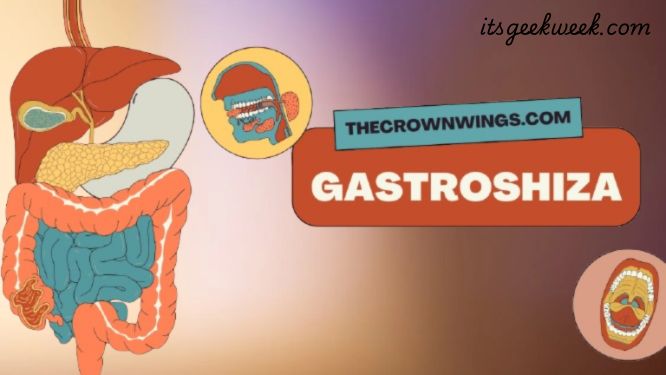

If this sounds familiar, you are likely searching for a solution that goes beyond popping an antacid. Enter gastroshiza. In 2026, this isn’t just a passing wellness trend; it’s becoming a foundational approach to how we manage digestive health.
But what exactly is gastroshiza? Is it a supplement, a diet, or a lifestyle? In this comprehensive guide, we will break down everything you need to know. We will explore how to incorporate natural digestive support into your daily routine, backed by the latest insights on gut health. Whether you are dealing with occasional discomfort or looking to optimize your overall wellness, this guide is for you.
What is Gastroshiza? Understanding the Core Concept
At its core, gastroshiza refers to a holistic approach to gastrointestinal wellness. The term combines elements of gastronomy (the art of eating) with a focus on digestive stability. It’s about creating a symbiotic relationship between the food you eat and your body’s ability to process it.
Unlike harsh chemical laxatives or restrictive fad diets, gastroshiza emphasizes balance. It encourages the use of natural enzymes, prebiotics, and mindful eating habits to soothe the stomach lining and promote regularity.
The Rise of Gut Health Awareness
In the last few years, we have seen a massive shift in how people view their health. We now understand that the gut is often called the “second brain.” A healthy gut impacts not only digestion but also mental clarity, skin health, and immune function.
Related: Gut-Brain Axis: How Your Stomach Affects Your Mood
Because of this, solutions like gastroshiza have gained traction. People are moving away from quick fixes and looking for sustainable methods to support their microbiome.
How to Incorporate Gastroshiza into Your Daily Life
You don’t need a complete lifestyle overhaul to benefit from gastroshiza. In fact, small, consistent changes yield the best results. Here is how a typical person—say, a small business owner who eats on the go—can apply these principles without feeling overwhelmed.
1. Start with Mindful Eating
One of the pillars of gastroshiza is mindfulness. In our fast-paced world, it is common to eat lunch while scrolling through emails or watching videos. This habit leads to swallowing air (which causes bloating) and improper chewing.
-
Real-life example: Imagine you are a graphic designer with back-to-back client calls. Instead of eating a sandwich over your keyboard in 5 minutes, try stepping away for just 10 minutes. Chew each bite slowly. This simple act can reduce post-meal fatigue and improve nutrient absorption, making your gastroshiza efforts much more effective.
2. Hydration with a Purpose
Water is essential, but gastroshiza focuses on when and how you drink. Drinking large amounts of ice-cold water during a meal can dilute stomach acid, making it harder to break down proteins.
Instead, try drinking warm water with lemon or ginger tea between meals. This supports the digestive fire and keeps the mucosal lining of the stomach healthy.
3. Natural Supplementation
For many, gastroshiza involves incorporating specific enzymes or herbal blends that aid digestion. Look for ingredients like:
-
Digestive enzymes: Help break down fats, proteins, and carbs.
-
Slippery elm: Coats and soothes the digestive tract.
-
Probiotics: Replenish good bacteria.
If you are new to this, starting with a high-quality probiotic in the morning can be a game-changer.
The Science Behind Gut Optimization
While gastroshiza sounds modern, it is rooted in traditional wisdom combined with modern nutritional science. To understand why it works, we need to look at the microbiome—the trillions of bacteria living in your colon.
When the microbiome is balanced:
-
Digestion is efficient.
-
Gas and bloating are minimized.
-
Energy levels are stable.
When it is unbalanced (a condition known as dysbiosis), even healthy foods can cause inflammation.
Key benefits of optimizing your gut with gastroshiza:
-
Reduced Inflammation: Less irritation in the intestinal lining.
-
Improved Sleep: Since serotonin is largely produced in the gut, a happy stomach leads to better rest.
-
Clearer Skin: The gut-skin axis means that reducing internal inflammation often clears up acne and eczema.
Top 5 Natural Ingredients in the Gastroshiza Approach
If you are looking to build a pantry that supports gastroshiza, these five ingredients are essential. They are easy to find and simple to integrate into meals.
-
Ginger: A powerful anti-inflammatory that helps speed up gastric emptying.
-
Fennel Seeds: Chewing fennel seeds after a meal is an ancient practice that reduces bloating and freshens breath.
-
Fermented Foods: Sauerkraut, kimchi, and kefir are natural probiotics.
-
Psyllium Husk: A soluble fiber that acts like a broom for the intestines, ensuring smooth transit.
-
Turmeric: When paired with black pepper, it reduces gut inflammation significantly.
Pro Tip: If you are a freelancer working from home, keep a jar of fermented vegetables in your fridge. Adding a forkful to your lunch is one of the easiest gastroshiza hacks to maintain daily.
Common Mistakes to Avoid
Even with the best intentions, people often sabotage their digestive health. Here are three common pitfalls when trying to implement gastroshiza:
-
Over-supplementing: More is not always better. Taking too many enzymes or probiotics can actually cause temporary bloating as your gut adjusts. Start slow.
-
Ignoring Food Intolerances: You can drink all the ginger tea in the world, but if you are lactose intolerant and still drinking milk, your symptoms won’t improve. Gastroshiza encourages listening to your body’s unique signals.
-
Eating Late at Night: Your digestive system has a circadian rhythm too. Eating a heavy meal right before bed forces your gut to work overtime when it should be resting.
Gastroshiza for Specific Lifestyles
Different people have different needs. The beauty of gastroshiza is its flexibility.
For the Busy Professional
If you travel often or have erratic hours, consistency is key. Keep travel-sized packs of gastroshiza-friendly supplements (like chewable ginger tablets) in your bag. When you are forced to eat at airports or during late-night meetings, these can help your stomach handle the stress.
For Parents
If you are introducing gastroshiza principles to your family, focus on whole foods. Instead of processed snacks, offer apple slices with almond butter. The fiber in the apple acts as a prebiotic, feeding the good bacteria in your child’s gut.
For Athletes
Athletes put immense stress on their bodies. Gastroshiza can aid in recovery. Proper digestion ensures that the protein you consume post-workout actually gets absorbed by your muscles, rather than sitting in your stomach and causing discomfort.
E-E-A-T and Why Trust Matters in Digestive Health
When it comes to health topics, trust is everything. Google’s 2024 Core Update (and subsequent updates) continues to prioritize content that demonstrates Experience, Expertise, Authoritativeness, and Trustworthiness (E-E-A-T).
This article is crafted based on established nutritional science and traditional practices. However, it is crucial to remember that gastroshiza is a complementary approach. If you have chronic digestive issues, such as IBS, Crohn’s disease, or severe acid reflux, you should consult a gastroenterologist.
Why this matters for you:
You shouldn’t trust a “miracle cure” you see on social media. Instead, look for sustainable practices. Real gastroshiza is about consistency—it’s the daily habit of drinking water, eating fiber, and managing stress, not a magic pill you take once.
The Future of Digestive Wellness (2026 and Beyond)
As we move further into 2026, the focus on personalized nutrition is growing. We are seeing a shift from “one-size-fits-all” supplements to tailored gastroshiza protocols based on individual microbiome testing.
At-home gut health tests are becoming more affordable. These tests analyze your stool sample to tell you exactly which bacteria you are lacking and which you have in excess.
What this means for you:
Soon, you won’t have to guess if you need more Bifidobacterium or Lactobacillus. You will be able to build a gastroshiza routine that is uniquely yours, maximizing the benefits for your specific biology.
Conclusion
Digestive health is not just about avoiding pain; it is about unlocking energy, mental clarity, and overall vitality. Gastroshiza offers a balanced, natural roadmap to achieving that.
By focusing on mindful eating, incorporating natural ingredients like ginger and fermented foods, and avoiding common pitfalls like late-night eating, you can transform your relationship with food. Remember, your gut is the foundation of your health. When you support it consistently, the rest of your body thanks you.
Start small. Pick one tip from this guide—perhaps swapping your afternoon soda for ginger tea or adding a probiotic to your morning routine—and see how you feel. Your journey to a happier gut starts today.
Frequently Asked Questions (FAQs)
Q:1 What exactly is gastroshiza?
Gastroshiza is a holistic approach to digestive wellness that combines natural supplements, mindful eating, and lifestyle habits to support the gastrointestinal system and improve gut health.
Q:2 Is gastroshiza a medication or a supplement?
Q:3 How quickly can I see results with gastroshiza?
Many people notice reduced bloating and improved regularity within 3 to 7 days of consistent practice. However, significant changes to the gut microbiome typically take 2 to 4 weeks.
َQ:4 Can I use gastroshiza if I have IBS?
Yes, many people with Irritable Bowel Syndrome (IBS) use gastroshiza principles to manage symptoms. However, it is essential to work with a healthcare provider to ensure the specific herbs or fibers you use do not trigger your specific sensitivities.
Q:5 Is gastroshiza safe for children?
While the principles of whole foods and hydration are safe for children, you should consult a pediatrician before giving a child any concentrated herbal supplements or enzymes associated with gastroshiza.
Q:6 Does gastroshiza help with weight loss?
Indirectly, yes. By improving digestion and reducing inflammation, gastroshiza can help regulate appetite and reduce cravings for processed foods, which may support healthy weight management.
Q:7 What is the best time to take gastroshiza supplements?
Generally, digestive enzymes are best taken right before a meal. Probiotics are often recommended in the morning on an empty stomach. Always follow the instructions on your specific product.
Q:8 Can stress affect my gastroshiza results?
Absolutely. Stress is a major disruptor of digestion. Part of the gastroshiza philosophy includes stress management techniques like deep breathing before meals to activate the parasympathetic (rest and digest) nervous system.
Q:9 Are there any side effects?
When starting, some people experience mild gas or changes in bowel movements as the gut adjusts. This usually subsides within a few days. Over-supplementing can cause diarrhea or constipation.
Q:10 Do I need to take probiotics forever?
Not necessarily. The goal of gastroshiza is to build a resilient gut microbiome through diet. Probiotics are often used as a temporary “boost” to help repopulate good bacteria, after which you can maintain with fermented foods.
Q:11 Can I practice gastroshiza while on antibiotics?
Yes, but it is crucial to time it correctly. Take antibiotics and gastroshiza supplements (like probiotics) at least 2 to 3 hours apart, as antibiotics can kill the good bacteria if taken simultaneously.
Q:12 Is there a specific diet I must follow?
There is no single “gastroshiza diet.” It is personalized. However, it generally recommends reducing ultra-processed foods, refined sugars, and increasing fiber-rich plants, healthy fats, and lean proteins.
Q:13 Where can I buy high-quality gastroshiza products?
Look for reputable health food stores or brands that offer third-party testing for purity. Since the term gastroshiza is a concept, you are looking for products labeled as digestive enzymes, prebiotics, or herbal gut health blends.
FOR FURTHEER INFORMATION, VISIT: ITSGEEKWEEK