
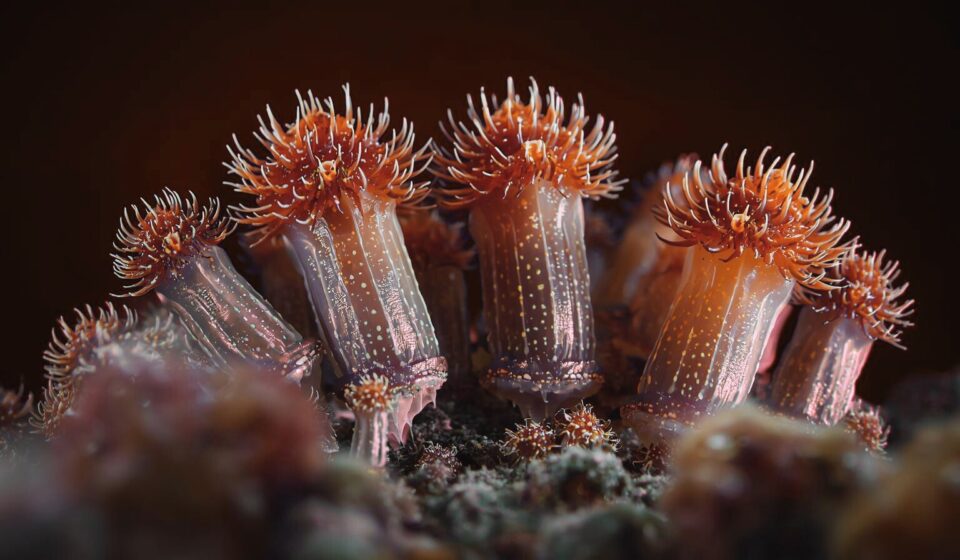

Anatomy and Physiology
Structure and Form
Barnacles feature a hard, calcareous shell composed of multiple plates, providing protection against predators and environmental stress. Their bodies are segmented, like other arthropods, but they exhibit a unique transformation during their lifecycle:
- Larval Stage: Barnacles start life as free-swimming larvae, often drifting with ocean currents.
- Settlement: Upon finding a suitable surface, they attach using a specialized glue and undergo metamorphosis to become sessile adults.
Feeding Mechanism
Barnacles are filter feeders, utilizing modified appendages known as cirri to capture plankton and detritus from the water. As they extend their cirri into the water column, they create a feeding current that brings food particles within reach.
Habitat and Distribution
Barnacles are found in diverse marine environments, from rocky shorelines to the undersides of ships. They thrive in various conditions, but they prefer intertidal zones where they can withstand wave action and fluctuating temperatures. Major regions of barnacle population include:
- North Atlantic and Pacific Oceans
- Mediterranean Sea
- Coastal areas of tropical regions
Reproductive Strategies
Barnacle arthropods exhibit fascinating reproductive strategies:
Hermaphroditic Nature
Most barnacle species are hermaphrodites, possessing both male and female reproductive organs. This adaptation increases their chances of reproduction in sparse populations.
Fertilization Process
After copulation, barnacles release fertilized eggs into the water, where they develop into larvae. These larvae are incredibly resilient, allowing for dispersal across vast distances before settling.
Ecological Significance
Barnacles play a vital role in marine ecosystems:
- Habitat Formation: They provide surfaces for other organisms, creating biodiverse habitats.
- Water Quality: By filtering water, barnacles contribute to overall aquatic health.
- Food Source: They serve as a food source for various marine species, including birds, mammals, and other fish.
Human Interaction
Economic Impact
Conservation Efforts
Understanding the ecological role of barnacles is crucial for marine conservation. Ensuring the health of coastal ecosystems indirectly supports barnacle populations, which in turn sustains the larger marine food web.
Conclusion
Barnacle arthropods exemplify the wonders of marine life. Furthermore, their unique biology and essential role in ecosystems make them subjects of great scientific interest. As coastal environments increasingly face challenges from climate change and human activity, awareness and research into barnacles can significantly contribute to broader efforts in marine conservation. By recognizing the value of these small yet significant creatures, we encourage a deeper appreciation for the intricate web of life in our oceans.
FAQs
Q:1 What are barnacles?
Q:2 How do barnacles attach to surfaces?
Barnacles use a specialized adhesive to glue themselves to rocks, ships, or other hard surfaces during their larval stage.
Q:3 Are barnacles harmful?
While barnacles themselves are not harmful, they can cause damage by accumulating on ships and marine structures, increasing drag and maintenance costs.
Q:4 What do barnacles eat?
Q:5 How do barnacles reproduce?
Most barnacles are hermaphroditic, containing both male and female reproductive organs. They release fertilized eggs into the water, where larvae develop before settling.
Q:6 Where are barnacles found?
Barnacles inhabit a variety of marine environments, particularly in intertidal zones, and can be found on rocks, shells, docks, and boats.
Q:7 How long do barnacles live?
Barnacles typically have a lifespan of several years, although this can vary depending on species and environmental conditions.
Q:8 Do barnacles impact marine ecosystems?
Yes, barnacles play a crucial role in their ecosystems by providing habitat for other marine organisms and serving as a food source for predators.
Q:9 Can barnacles be consumed by humans?
Some species of barnacles are edible and are considered a delicacy in certain cultures, particularly in parts of Europe.
Q:10 How can I help protect barnacle populations?
Support marine conservation initiatives, reduce pollution, and actively participate in clean-up efforts; this will help maintain healthy coastal ecosystems that support barnacle populations.
FOR FURTHER INFORMATION, VISIT: ITSGEEKWEEK