
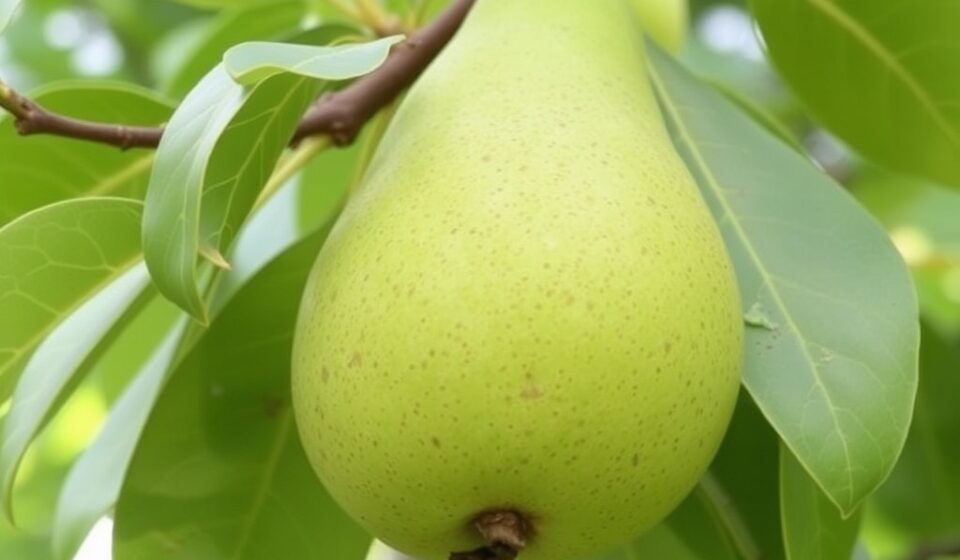

Navigator Pear is a name that refers to two different but equally remarkable plants. One is a stunning ornamental tree for your landscape. The other is a delicious and hardy fruit for your table .
This guide explores both. We will cover the beautiful ornamental tree and the tasty fruit variety. You will learn about their features, benefits, and how to care for them. Let’s dive into the world of the Navigator Pear.
The Ornamental Navigator Pear: A Landscape Star
If you want a tree that offers incredible visual appeal, look for the Navigator Ornamental Pear (Pyrus ‘DurPSN303’) . This tree is a showstopper. It is grown specifically for its beautiful flowers, shape, and fall color .
Stunning Visual Appeal
This tree puts on a fantastic show every year.
In spring, its branches are covered in stunning clusters of white flowers . These blooms have pink anthers, which add a delicate pop of color .
During summer, it is covered in dark green, glossy, heart-shaped leaves . This dense foliage creates a lovely, refined look.
In the fall, the real magic happens. The leaves turn brilliant shades of yellow, orange, and outstanding red . It will be the highlight of your autumn garden.
Ideal Shape and Size
This tree is loved for its perfect shape. It has a dense, pyramidal to oval form . It is like a narrow, upright cone. This makes it an excellent vertical accent in any yard .
It typically grows to about 26 feet tall and 12 feet wide . One source lists it as tall as 35 feet . It has a fast growth rate . You won’t have to wait decades for it to make an impact.
Landscape Uses and Hardiness
This tree is very versatile. You can plant it as a striking specimen in your lawn . It also works well as a shade tree or to frame the side of a house .
It is incredibly hardy, thrives in full sunlight , prefers moist, well-drained soil . A big plus is its high tolerance for urban pollution . It’s a great choice for city gardens. It can survive in hardiness zone 2a, meaning it withstands very cold winters .
The Fruit-Bearing Navigator Pear: A Treat for the Taste Buds
The other Navigator Pear is a fruit cultivar. It is a modern pear developed for its great taste and resilience . It’s a cross that likely combines the best traits of older pear varieties .
Flavor and Texture
How does it taste? It has a sweet flavor with subtle floral notes . The flesh is creamy white, dense, and fine-grained . When ripe, it’s juicy and refreshing .
It strikes a perfect balance. It has the buttery texture of a Bartlett with the rich flavor of a Bosc . One writer described it as having notes of honey and vanilla with a hint of spice . It’s simply delicious.
Nutritional Powerhouse
These pears are not just tasty. They are packed with nutrients.
-
High in Fiber: They contain lots of dietary fiber, which is great for digestion .
-
Rich in Vitamin C: This vitamin boosts your immune system and helps your skin .
-
Good for Your Heart: The fiber, potassium, and antioxidants support cardiovascular health .
-
Low in Calories: A medium pear has about 100 calories . It’s a smart, filling snack.
-
Full of Antioxidants: These compounds help fight inflammation .
How to Use It in the Kitchen
This pear is very versatile. You can enjoy it in many ways.
-
Fresh: Eat it raw for a crisp, sweet snack .
-
In Salads: Slice it thin and add it to salads with walnuts and cheese .
-
Baked: Use it in tarts, pies, and muffins . It holds its shape well.
-
Poached: Poach it in wine or spices for an elegant dessert .
-
With Cheese: It pairs perfectly with sharp cheddar or creamy brie .
Growing Your Own Navigator Pear Tree
Whether you want the ornamental tree or the fruit tree, here are some general tips. They share many of the same needs .
Planting and Location
First, pick the right spot. Ensure it gets full sun, at least 6-8 hours a day . The soil should be well-draining. Loamy soil is best . Dig a hole twice as wide as the root ball . Place the tree in the hole and backfill with soil. Water it well right after planting .
Care and Maintenance
Water regularly, especially when the tree is young . Don’t let the soil dry out completely . Once established, it’s quite drought-tolerant .
Prune in late winter to shape the tree . Remove any dead or crossing branches .
The fruit tree is partially self-fertile . For a bigger harvest, plant it near another pear variety like Bartlett or Comice .
Harvesting Your Fruit
You can’t let pears ripen on the tree. They become grainy .
Harvest them when they are mature but still firm . The color will change from green to golden-green . If the flesh near the stem gives slightly when pressed, it’s ready to pick .
To ripen them, bring them inside. Place them in a paper bag at room temperature . Once ripe, store them in the fridge .
Conclusion
The Navigator Pear offers something for everyone. The ornamental version provides year-round beauty with its spring flowers and fiery fall leaves. It is a low-maintenance, high-impact tree for any landscape .
The fruit version gives you a delicious, healthy snack. It’s versatile in the kitchen and easy to grow in the backyard . Whether you want to enhance your garden or your diet, the Navigator Pear is an excellent choice. It truly lives up to its name, guiding us toward both beauty and better nutrition .
Frequently Asked Questions About the Navigator Pear
To help you get the most out of your Navigator Pear, here are detailed answers to the most common questions.
General & Identification Questions
Q: Is there a difference between the “Navigator Pear” tree and the “Navigator Pear” fruit?
A: Yes, absolutely. The name refers to two distinct plants.
-
The Ornamental Tree: This is a specific cultivar ( Pyrus ‘DurPSN303’) bred for its stunning flowers, perfect shape, and brilliant red fall foliage. It rarely produces fruit, and if it does, the fruit is small, hard, and inedible.
-
The Fruit Tree: This is a variety of pear tree cultivated specifically for its delicious, edible fruit. It shares the hardiness of other pear trees but is prized for its sweet, floral flavor and creamy texture.
Q: Will the ornamental Navigator Pear tree produce fruit that I can eat?
A: No. The primary goal of the ornamental tree is visual appeal. While it may occasionally produce very small pears, they are not meant for eating. They will be hard, woody, and lack any sweetness. This is actually a benefit, as it means no messy, rotting fruit to clean up from your lawn or driveway.
Questions About the Ornamental Tree
Q: How fast does the ornamental Navigator Pear tree grow?
A: It is considered a fast-growing tree. Under ideal conditions with full sun and adequate water, you can expect it to grow 1 to 2 feet per year. This allows it to establish itself and become a focal point in your landscape relatively quickly.
Q: How much space does this tree need in my yard?
A: This is a crucial question. The ornamental Navigator Pear has a narrow, upright shape, typically reaching about 12 feet in width at maturity. However, it can get quite tall (26-35 feet). You should plant it at least 10-12 feet away from your house, and 15-20 feet away from other large trees to give it room to grow and ensure good air circulation.
Q: What makes the fall color so special on this tree?
A: Unlike many trees that simply turn yellow or brown, the Navigator Pear puts on a multi-color display. The glossy green leaves transition to a mix of vibrant yellow, rich orange, and an outstanding, brilliant red. The color is consistent and long-lasting, often making it the last tree in the neighborhood to drop its leaves.
Q: Is the ornamental Navigator Pear susceptible to any diseases?
A: While bred for hardiness, it’s always good to be aware. Like many pears, it can occasionally be susceptible to fire blight, a bacterial disease that makes branches look like they’ve been burned. Proper pruning and ensuring good air flow can help prevent it. Its urban tolerance, however, makes it resistant to many other common pollutants and stresses.
Questions About the Fruit & Fruit Tree
Q: When is the best time to harvest Navigator pears?
A: The most important thing to remember is to harvest them before they are ripe. Pears ripen best off the tree. The fruit is ready to pick in the early fall when the color changes from a deep green to a lighter golden-green. The easiest test is to gently lift the pear to a horizontal position. If it snaps away from the branch easily, it’s ready to pick. If it’s stiff, leave it for another day or two.
Q: How do I ripen Navigator pears after I pick them?
A: It’s very simple.
-
Bring the mature, firm pears indoors.
-
Place them in a paper bag at cool room temperature (65-70°F or 18-21°C). The ethylene gas they emit will get trapped in the bag and speed up the ripening process. Adding a banana or apple to the bag can speed it up even more.
-
Check them daily by gently pressing near the stem. Once the flesh gives slightly (like a ripe peach), they are ready to eat.
-
Once ripe, move them to the refrigerator. This will stop the ripening process and they will keep for up to a week.
Q: Can I eat the skin of the Navigator pear?
A: Yes, absolutely! The skin is thin, tender, and perfectly edible. In fact, a lot of the fiber and many of the antioxidants are found in the skin. Just be sure to wash it thoroughly before eating. If you are poaching or baking them in a recipe that calls for peeled fruit, you can peel them, but it’s not necessary for fresh eating.
Q: Do I need to plant two Navigator fruit trees to get pears?
A: The Navigator fruit variety is partially self-fertile, meaning it can produce some fruit on its own. However, you will get a significantly larger and more reliable harvest if you plant a second pear tree nearby for cross-pollination. Good pollinator partners include Bartlett, Comice, or Bosc pears. Just make sure they bloom at the same time in the spring.