
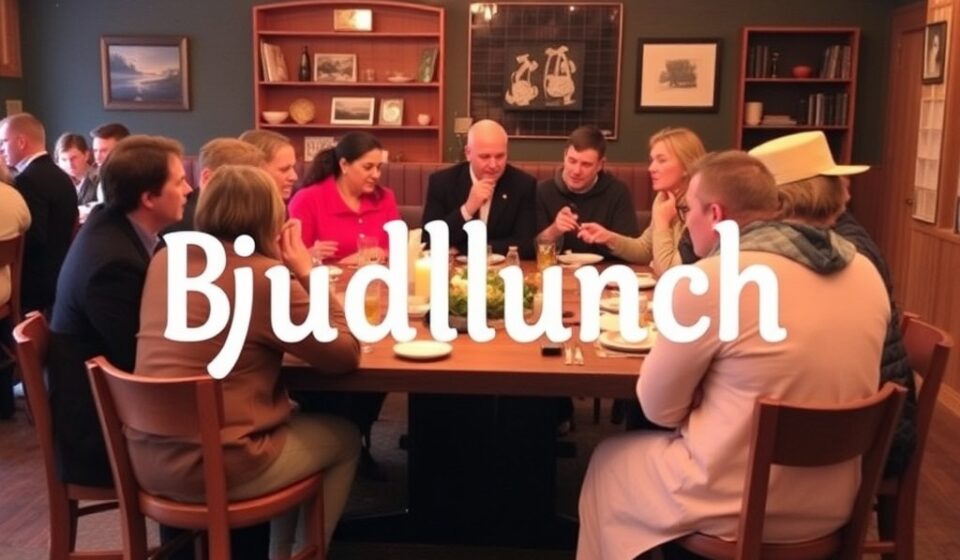

Bjudlunch is a beautiful Swedish tradition. It is more than just eating food. It is about connection, kindness, and sharing time with others .
The word comes from Swedish. Bjuda means “to invite” or “treat.” So, bjudlunch simply means treating someone to lunch . But the meaning goes much deeper.
What is Bjudlunch?
A bjudlunch is a meal where one person invites and pays for another . It happens between friends, colleagues, or family . It is a casual yet intentional act of generosity .
Think of it as a gesture. It says, “I value you.” It is a moment to pause and connect .
The Core Values of Bjudlunch
This tradition reflects important Swedish values.
-
Generosity: The host gives without expecting anything in return . It is a pure act of kindness.
-
Equality: Sharing a meal removes barriers. Everyone sits at the same table . The focus is on the conversation, not hierarchy .
-
Simplicity: It is not about fancy restaurants. A simple café or a homemade meal works perfectly . The goal is comfort and good company.
Bjudlunch in Different Areas of Life
Bjudlunch fits into many parts of Swedish life.
-
In Personal Relationships: Friends use it to catch up . It is a perfect way to reconnect after a busy time . It strengthens bonds over a relaxed meal.
-
In the Workplace: Colleagues use bjudlunch to network or welcome new team members . It is a great way to discuss projects outside the office . It removes stress and builds trust .
-
With Family: Families use it during visits or celebrations . It reinforces family ties and creates happy memories .
Important Etiquette Tips
Bjudlunch has some simple, unwritten rules .
-
The host pays: When someone says “I’ll treat you,” they mean it. Do not argue over the bill .
-
Show gratitude: A simple “thank you” is essential and expected . It shows you appreciate the gesture.
-
Be modest: Keep the setting simple. Choose a mid-priced, comfortable spot .
-
Reciprocity is natural: Guests often return the favor another time . This keeps the friendship balanced and harmonious.
The Benefits of Sharing a Bjudlunch
This tradition offers real benefits for well-being.
-
Reduces stress: A shared meal is a break from daily routines .
-
Fights loneliness: It brings people together and creates a sense of community .
-
Builds trust: Open conversation flows naturally over food . This strengthens both personal and professional bonds.
-
Boosts morale: In workplaces, it makes employees feel valued and appreciated .
How Bjudlunch Has Evolved
Today, bjudlunch adapts to modern life.
-
Virtual lunches: Remote teams sometimes share a meal over video calls . Companies may send gift cards to fund them .
-
Social media: People share their bjudlunch moments online. It inspires others to value social connection .
-
Employer programs: Companies now fund team lunches to boost unity .
Tips for Hosting Your Own Bjudlunch
Want to host a bjudlunch? Keep it simple.
-
Pick a relaxed place: Choose somewhere quiet for easy conversation .
-
Choose a good time: Respect the other person’s schedule .
-
Be clear: Say, “I would like to treat you to lunch” .
-
Focus on them: Let the conversation flow naturally. Listen and connect .
-
Enjoy the moment: The food is just the backdrop. The connection is the main course .
Conclusion
Bjudlunch is a small tradition with a big heart. It turns a simple meal into a meaningful moment . It reminds us to slow down and value our relationships . In a busy world, sharing a lunch is a powerful way to connect .
Frequently Asked Questions About Bjudlunch
Here are detailed answers to the most common questions about this Swedish tradition.
1. What is the difference between a “bjudlunch” and just “getting lunch”?
The main difference is the intention and the gesture. “Getting lunch” is usually a neutral activity where people agree to meet and pay for their own meal (often called “going Dutch”). A bjudlunch is a one-sided, voluntary act of generosity. One person specifically invites the other with the clear intention of treating them. It is a gift of time and food, designed to honor the guest and strengthen the social bond.
2. Do I have to pay for the host next time?
No, it is not an obligation. The beauty of bjudlunch is that it is a gift, not a transaction. You should never feel pressured to “pay them back” immediately. However, in a healthy friendship, the gesture is often reciprocated naturally over time. Your friend might invite you for a fika (a coffee and pastry break) next week, or treat you to a lunch a few months later. The key is that the reciprocity comes from a genuine place of wanting to return the kindness, not from a sense of debt.
3. Can I invite a colleague for a bjudlunch?
Yes, absolutely. It is a very common and positive practice in Swedish workplaces. Inviting a new colleague for a bjudlunch is a fantastic way to welcome them and help them integrate into the team. It is also a great way for managers to show appreciation for their employees’ hard work in a relaxed, informal setting. Just keep the atmosphere professional and friendly, and choose a neutral, comfortable place to eat.
4. What if the person I invite insists on paying?
If your guest insists on paying, you can politely but firmly decline once or twice. You can simply say, “Nej, nej, jag bjuder!” (“No, no, I’m treating!”). Most Swedes will understand and graciously accept after a gentle refusal. If they continue to insist strongly, they might feel uncomfortable with the gesture. In that case, it’s perfectly fine to let them contribute this time, and you can plan to host another bjudlunch in the future. The goal is for everyone to feel comfortable.
5. Is bjudlunch only for special occasions?
Not at all! While it is perfect for celebrating a birthday, a new job, or a promotion, the heart of bjudlunch is in the everyday. It is often used for no special reason at all, other than wanting to spend time with someone. An invitation to a casual Tuesday lunch can be even more meaningful because it shows you are thinking of someone and value their company without needing a special reason.
6. Where should I go for a bjudlunch?
The location should match the casual and personal nature of the tradition. The best choices are:
-
A cozy café: Perfect for a lighter meal and good conversation.
-
A modest, mid-priced restaurant: Choose a place with a pleasant, quiet atmosphere where you can talk easily.
-
A workplace cafeteria: This can be a very neutral and convenient option for a colleague.
-
Someone’s home: A simple, homemade lunch is perhaps the most personal and heartfelt bjudlunch of all.
The focus should always be on the company, not on the extravagance of the location.
7. Do I have to eat Swedish food?
No, you do not. The tradition is about the act of sharing a meal, not the type of food. Whether you enjoy sushi, Italian pasta, a classic Swedish smörgås (open-faced sandwich), or a burger, the meal is just the setting for the connection. Choose a cuisine you and your guest will both enjoy.