
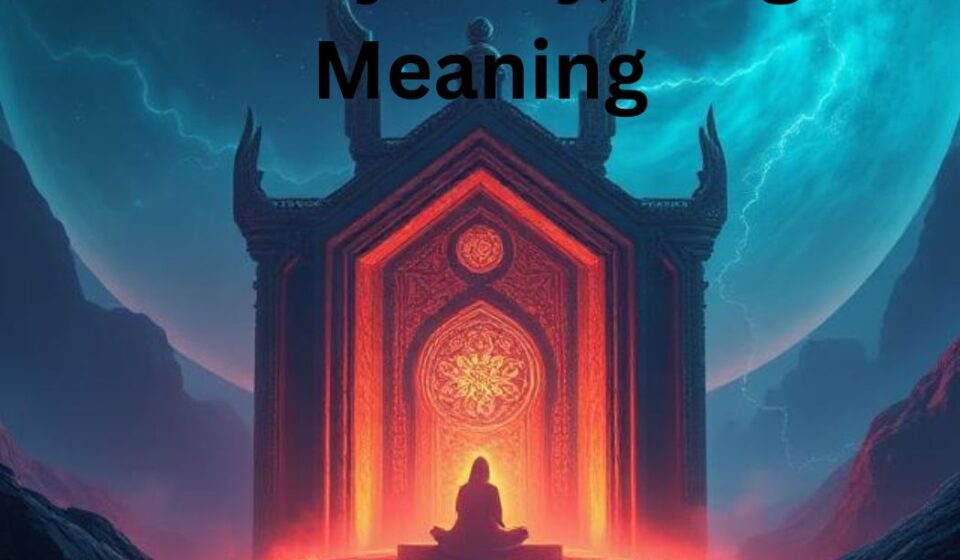

Örviri is a word that is difficult to pin down. Official dictionaries don’t recognize it, and its origin is cloaked in mystery, but that ambiguity is precisely what makes it so fascinating. In this post, we’ll explore the many modern interpretations of örviri, from its roots in Icelandic folklore to its life as internet slang and a skincare brand. By the end, you’ll see that örviri’s true power may not lie in having a set definition, but in what it represents: the magic of mystery, the beauty of imagination, and the timeless human longing for something more.
The Core Mystery: A Word Without a Definition
Unlike common words with clear origins, örviri has no official presence in major dictionaries like Merriam-Webster. This linguistic anomaly is what sets it apart. Some online sources suggest it might be a constructed word for branding or fictional worlds, while others propose it could be a niche cultural term that hasn’t yet been recognized by official sources. The use of the special character “ö” gives it a distinct Scandinavian or Germanic feel, hinting at possible Nordic roots, yet it is not a recognized term in languages like Icelandic, Norwegian, or Swedish.
The mystery of örviri is its greatest asset. In a world that often demands clear-cut answers, örviri celebrates the unknown and invites individuals to define it for themselves. Instead of one fixed definition, it appears to have multiple lives, each carrying a different meaning depending on the context. Let’s unravel what this enigmatic word can represent.
Modern Interpretations and Meanings
1. A Magical Concept of Wonder and Whimsy
For many, örviri is a term that captures the feeling of magical, whimsical, and surreal experiences. It is often used to describe “a dreamy place from a fairytale” or a strange feeling that transports you to another world. In creative circles, örviri is an aesthetic, a vibe that helps people slow down and see the magic in everyday life.
-
Traits: Things described as örviri are often whimsical, mystical, nostalgic, and surreal.
-
Examples: A painting of floating houses, a song that feels like flying, a handmade storybook about living clouds, or a dream featuring a talking owl in a glowing cave could all be considered örviri.
-
Why it matters: Örviri reminds us to “dream while we’re awake” and to embrace a little bit of weirdness and magic in our lives.
2. An Icelandic Folklore Landscape and Sentiment
Multiple sources frame örviri as a profound concept within Icelandic culture, describing it as both a place and a state of being. In this context, it represents an idealized vision of pristine nature and tranquil spirits, acting as a spiritual connection to the ancient wisdom of Norse legends.
-
Historical Roots: Its origins trace back to the early settlement of Iceland around 874 AD, when Norse settlers brought their stories of elves, trolls, and hidden people, emphasizing deep respect for nature’s power.
-
Cultural Impact: This concept of örviri reportedly influences modern Iceland, from road construction that avoids disturbing “elfin dwellings” to festivals celebrating ancient traditions. It fosters community unity by playing a role in celebrations, ceremonies, and reinforcing social bonds.
-
Global Reach: With the advent of digital media, the concept has found a new platform, allowing it to travel globally and resonate with international audiences who are drawn to its rich traditions and ecological wisdom.
3. A Malevolent Creature in Icelandic Folklore
A less common, yet intriguing interpretation paints örviri as a specific malevolent creature from Icelandic mythology. This version describes the creature as a shape-shifter that can control the weather, possess people, and inspire terror.
-
Linguistic Root: The name “Örviri” is thought to be derived from the Old Norse words “örr” meaning “fear” and “viri” meaning “man”.
-
Appearance: It is often depicted as a tall, thin figure with long hair and a beard.
-
Debate: While most consider it a myth, some historians believe this creature may have been inspired by real Viking warriors known for their shape-shifting abilities or by a specific shaman or witch feared by local populations.
4. A Philosophy of Interconnectedness
In some spaces, örviri is considered a guiding philosophy centered on interconnectedness and community. It celebrates finding common ground while embracing diversity, emphasizing collaboration over competition.
-
Core Principles: The key principles of this örviri philosophy include recognizing the relationships between individuals and their surroundings, achieving balance, fostering community engagement, and practicing mindfulness.
-
Daily Practice: To practice örviri in daily life, one might begin by incorporating mindfulness and active listening, then seeking collaboration over competition in interactions.
5. A Skincare Brand or Ancient Divination System
Two other unexpected interpretations of örviri exist: as a commercial product and as an ancient spiritual ritual.
-
A Skincare Brand: Some articles describe örviri as a skincare brand specializing in high-quality, natural products. However, its origins are contradictory; one source claims the ingredient comes from a rare plant in Southeast Asia, while others maintain Icelandic roots. It is praised for benefits like deep hydration, anti-aging, and soothing properties.
-
An Ancient Divination System: Another interpretation defines örviri as an ancient Germanic divination system practiced by Norse and Germanic tribes. It involved using arrows marked with symbols to seek answers from the spiritual realm. While the practice has largely fallen into obscurity, there is a modern resurgence of interest, particularly among Norse pagans and occultists.
6. An Internet Slang Term or Username
Online, örviri has taken on a life of its own as a versatile piece of slang. Because it lacks a standard meaning, it is often treated as a proper noun for artistic or abstract contexts. It is a popular choice for usernames, gaming tags, or titles for creative projects as it gives a sense of uniqueness and individuality.
Summary Table: The Many Faces of Örviri
| Interpretation | Core Meaning | Cultural Context |
|---|---|---|
| Magical Concept | Whimsy, wonder, and surreal beauty | Digital communities, creative circles, personal mindfulness |
| Folklore Landscape | Pure nature, tranquility, and spiritual connection | Icelandic culture, environmental respect, tourism |
| Malevolent Creature | Fear, shape-shifting, supernatural powers | Icelandic mythology, historical folklore |
| Life Philosophy | Interconnectedness, community, and balance | Self-help, wellness, and philosophical communities |
| Commercial/Skincare | A high-quality natural product for radiant skin | Beauty industry, e-commerce |
| Divination System | Arrow-casting for spiritual guidance | Norse paganism, occult practices |
| Internet Slang | A unique username or title for creative works | Gaming, social media, art platforms |
Final Thoughts: The Timeless Power of Mystery
In the end, the fact that we can have so many different conversations about one word is what makes örviri so extraordinary. Its ambiguity is not a flaw but a feature. In a world that moves fast and feels increasingly serious, örviri invites us to pause, to wonder, and to find our own meaning in the mysteries around us. It is a canvas for imagination, a testament to the power of language to evolve, and a beautiful reminder that sometimes the most magical things in life are the ones that defy definition.
Frequently Asked Questions (FAQs) About Örviri
1. What is the most common meaning of örviri?
There is no single, official definition of örviri. Its charm lies in its ambiguity. The most common interpretations found online and in creative communities describe örviri as:
-
A feeling of magical wonder, whimsy, or surreal beauty.
-
A dreamy, fairytale-like place or state of mind.
-
A unique username or title for artistic projects.
Because it isn’t recognized by mainstream dictionaries, people are free to assign their own meaning, which has led to multiple, equally valid definitions.
2. Is örviri an Icelandic word?
Not officially. While the use of the special character “ö” and the word’s phonetic structure strongly resemble Nordic languages (Icelandic, Norwegian, Swedish), no verified Icelandic dictionary or language authority recognizes örviri as a traditional word. However, several modern interpretations link it to:
-
Icelandic folklore – as a concept representing pristine nature, hidden people (elves), and spiritual connection to the land.
-
A malevolent creature – a shape-shifter from Norse-inspired mythology.
So, while örviri is not a documented Old Norse or Icelandic term, it has been adopted by online and storytelling communities as a pseudo-Icelandic or Nordic-mystery word.
3. What does örviri mean in Icelandic folklore?
Depending on the source, örviri appears in two contrasting folklore roles:
| Role | Description |
|---|---|
| Landscape of wonder | An idealized, untouched natural place where elves and hidden people live. It symbolizes tranquility, respect for nature, and spiritual connection to ancient Norse wisdom. |
| Malevolent creature | A tall, thin, shape-shifting being that can control weather, possess humans, and inspire fear. The name is sometimes broken down as Old Norse örr (fear) + viri (man). |
Most modern storytellers prefer the positive, whimsical interpretation, while the malevolent version is rarer.
4. Is örviri a real skincare brand?
Yes, some online sources mention a skincare line called Örviri, though its origin story varies. Claims include:
-
The ingredient comes from a rare plant in Southeast Asia.
-
It follows Icelandic natural skincare traditions.
-
Benefits include deep hydration, anti-aging, and soothing properties.
However, this brand is not globally famous, and the name may have been chosen purely for its mysterious, Nordic-sounding appeal. If you are considering purchasing, always verify the brand’s authenticity and ingredient sourcing.
5. How can I use örviri in daily life?
You can incorporate örviri as a mindset or aesthetic rather than a word with strict rules. Here are practical ways:
-
Mindfulness practice: When you feel a moment of unexpected beauty (a sunset, a quiet forest, a childhood memory), label it “örviri.” This trains you to notice magic in ordinary life.
-
Creative projects: Name your art, music, or writing after örviri to signal a dreamlike, whimsical tone.
-
Social media/username: Use örviri as a handle or tag for gaming, photography, or poetry accounts to convey mystery and individuality.
-
Philosophy of connection: Practice örviri by seeking collaboration over competition, listening deeply, and respecting nature and community.
6. Are there any negative meanings of örviri?
Very few. The only darker interpretation is the malevolent Icelandic creature mentioned earlier. Even then, that version is obscure and largely untold compared to the positive, whimsical, or spiritual meanings. Most people who use örviri today associate it with good magic, creativity, and wonder – not fear.
7. Can örviri be used as a name for a person or pet?
Absolutely. Because it has no fixed definition, örviri works beautifully as a:
-
Unique baby name (gender-neutral, rare, with a melodic sound).
-
Pet name for a cat, dog, or even a fantasy creature in a game.
-
Brand or business name (for a café, art studio, boutique, or wellness product).
Just be aware that people will ask you what it means – and you’ll have the joy of telling them your own story.
8. Is örviri related to the word “oriri” (Latin)?
No. While oriri is a real Latin verb meaning “to rise, to be born,” örviri is not derived from Latin. The resemblance is coincidental. Örviri’s “ö” and “viri” point toward Germanic or Nordic influences, not Romance languages. Still, some creative thinkers have noted the poetic parallel: oriri (rise/birth) and örviri (mystery/wonder) – both evoke beginnings and transformation.
9. Why has örviri become popular online?
Several factors explain its organic rise:
-
Lack of a dictionary definition – people love filling gaps with imagination.
-
Aesthetic appeal – the umlaut “ö” and the soft consonants feel exotic yet pronounceable.
-
Search engine curiosity – because it’s not a real word, searching “örviri” leads to discussions, not a single answer, which fuels more curiosity.
-
TikTok, Tumblr, and Pinterest – users have adopted örviri as a tag for dreamcore, weirdcore, and fairy-tale imagery.
In short, örviri is a blank canvas word perfectly suited to the internet age.
10. How do you pronounce örviri?
There is no official pronunciation, but the most common suggested way is:
-
ur-VEE-ree (with a soft, rolled ‘r’ if you want a Nordic touch)
-
Alternatively: or-VEE-ree (where “ö” sounds like the ‘u’ in “fur” or the ‘i’ in “bird” – similar to German ö).
Because it’s a made‑up or revived word, you can pronounce it however feels right to you. Consistency matters more than “correctness.”
11. Can örviri be a spiritual or religious concept?
Yes – for some, örviri functions as a personal spiritual touchstone. It appears in:
-
Neo-pagan and Norse pagan circles as a divination system (arrow-casting with marked runes – a modern reinterpretation).
-
Mindfulness and wellness communities as a symbol of interconnectedness, balance, and respect for hidden aspects of life.
-
Animist or nature‑based spirituality, where örviri names the feeling of being in dialogue with forests, rivers, and stones.
It is not tied to any organized religion, so it remains flexible and inclusive.
12. Where can I learn more about örviri?
Since örviri is not an academic term, learning more means exploring creative and community sources:
-
Pinterest / Tumblr – search “örviri aesthetic” for mood boards, art, and poetry.
-
Reddit – look for threads in r/neology, r/whatstheword, or r/Iceland (though locals may not recognize it).
-
Personal blogs and Medium – writers have posted thoughtful essays on what örviri means to them.
-
Urban Dictionary – one or two user-submitted definitions exist, but take them as creative, not authoritative.
The best way to learn is to decide your own meaning and share it with others.